
Sign In

More Than a Century of Leadership

“JCI was born from a vision to harness the energy of young leaders to overcome civic challenges and drive global change.”

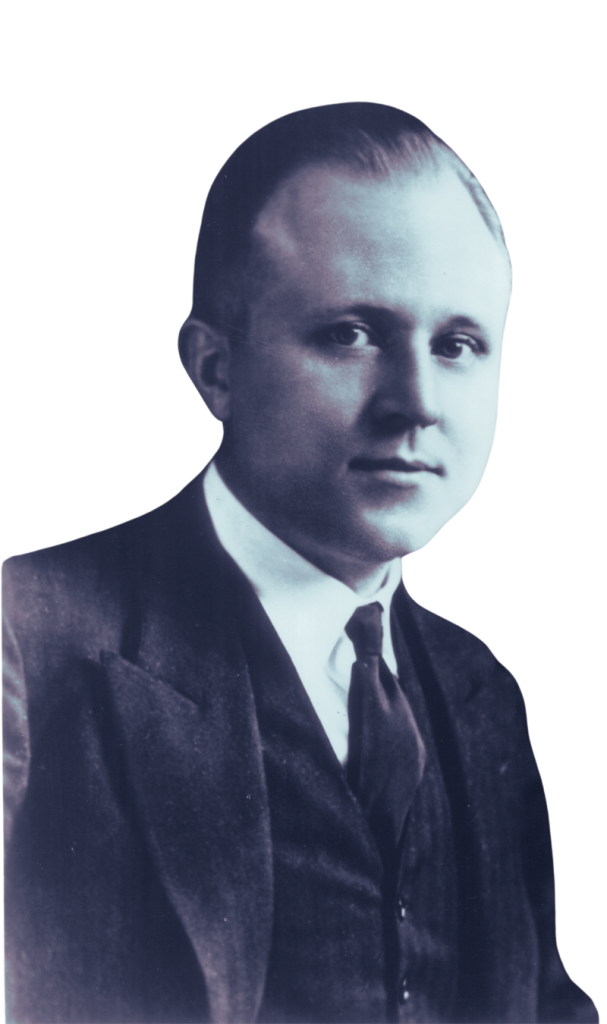
JCI’s story begins with Henry Giessenbier Jr., a young man living in St. Louis, Missouri, USA, during a time of incredible growth and change. Giessenbier recognized the talents and passions of the young people around him, and envisioned the positive change they could create if they had the right resources. To provide these tools, in 1915 he founded the first JCI movement in the St. Louis area. What began as a local movement spread quickly, and with enthusiasm. Young people across the United States and then across the globe joined together to create positive forces in their communities on a local, national and international scale.

Giessenbier saw JCI as an organization that could harness the energy of young leaders to overcome a variety of civic challenges. JCI members would have the opportunity to develop as individuals, contribute to the prosperity of economic infrastructure through entrepreneurship, understand and appreciate the social dynamics that enable community problem-solving and promote goodwill, cooperation and understanding amongst all people. That enduring vision lives on through the organization today.

JCI History Timeline

  • Founding a Movement

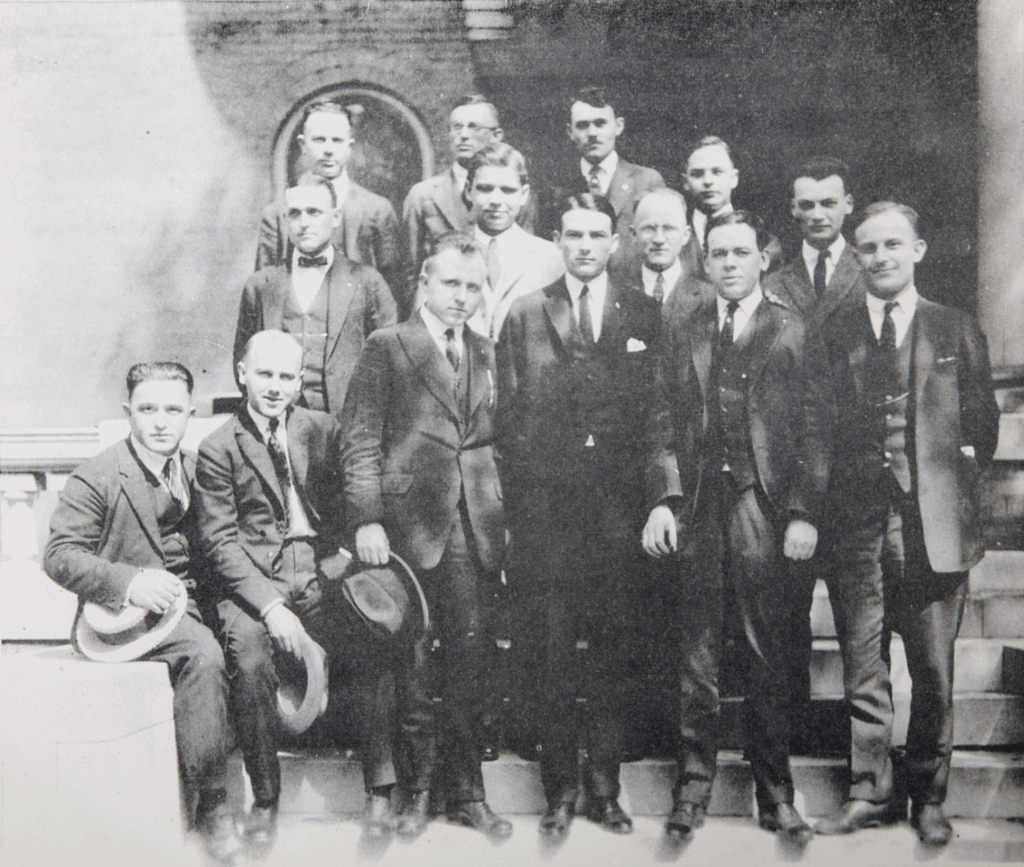
    By the age of 18, Henry Giessenbier Jr. formed the Herculaneum Dance Club, a social outlet for the community’s youth. Unknown at the time, Giessenbier was laying the foundation for what would become a global movement. On October 13, 1915, the first JCI Movement was founded when 32 men joined to form the Young Men’s Progressive Association (YMPCA) at the Mission Inn located in their hometown of St. Louis, USA.

  • St. Louis Chamber of Commerce Emblem

    The Young Men’s Civic Progressive Association members received acknowledgement from the broader community, however on November 30, 1915 official recognition of the organization was granted after enrolling as a member of the Mayor’s Conference of Civic Organizations. One year later, the YMPCA became known as the Junior Citizens and soon the Junior Chamber of Commerce, after affiliating with the St. Louis Chamber of Commerce.

  • The First National Convention

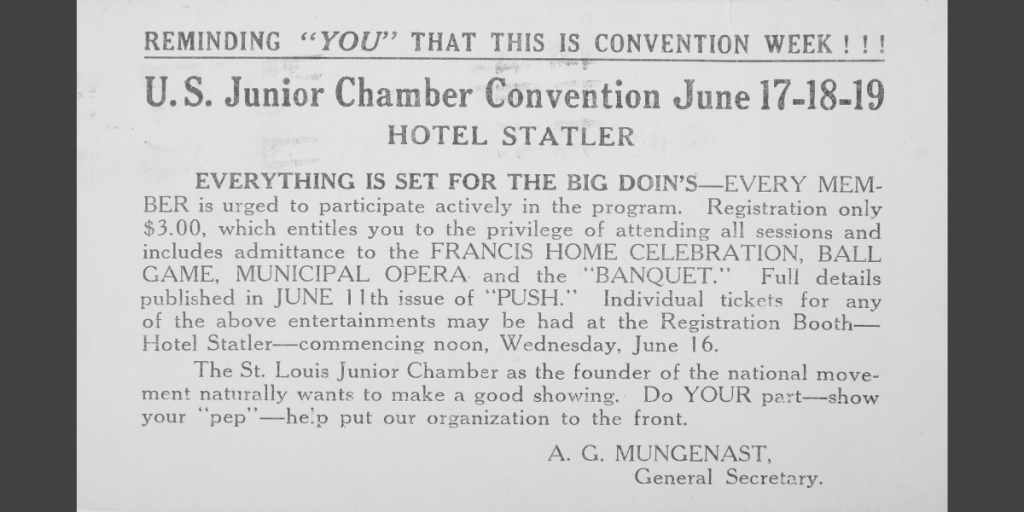
    In June 1920, with 41 cities present, the U.S. Junior Chamber of Commerce held their first official convention, where their first constitution was adopted and the first President, Henry Giessenbier Jr., was elected. Giessenbier closed the ceremony with his expressed goals for the organization: “We have definitely launched a great institution into the world of progress. Let us hope that from this institution will emerge citizens of loftier ideals, higher privileges, greater opportunities, purer patriotism, broader ideas of service and greater capacity for happiness.” — Founder, Henry Giessenbier, Jr.

  • Aviation Expansion and Voting Participation

    In 1926, after gaining Charles A. Lindbergh, commercial aviation pioneer, as a member, the U.S. Junior Chamber of Commerce pursued to expand aviation throughout the United States by working to establish and promote airport construction, encourage air mail usage and mark towns for easy identification from the air. That same year, the Get Out the Vote campaign was initiated in which the U.S. Junior Chamber of Commerce became the first national organization to conduct a systematic campaign to educate citizens of their civic duty to vote. As a result, 12 million more individuals voted in the 1928 election than in 1924.

  • Inter-American Congress in Mexico City

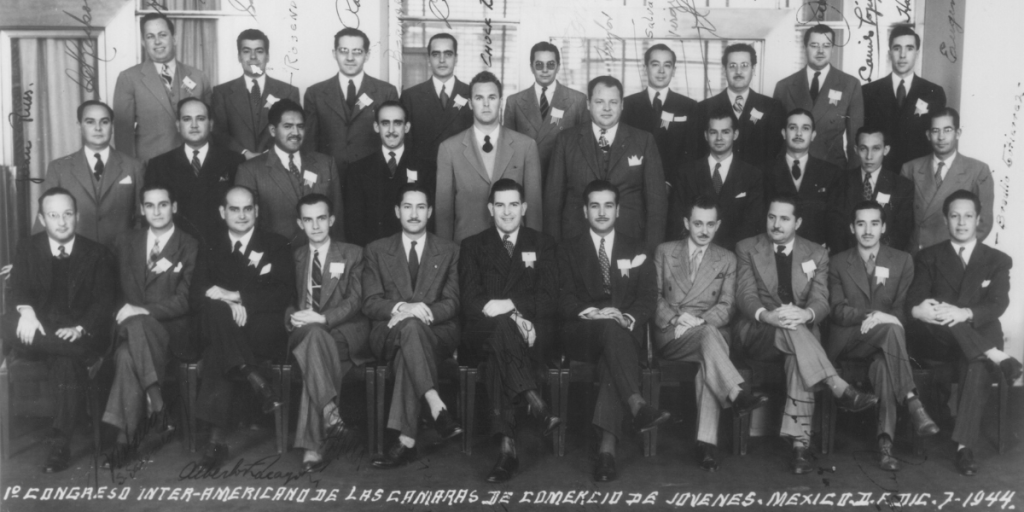
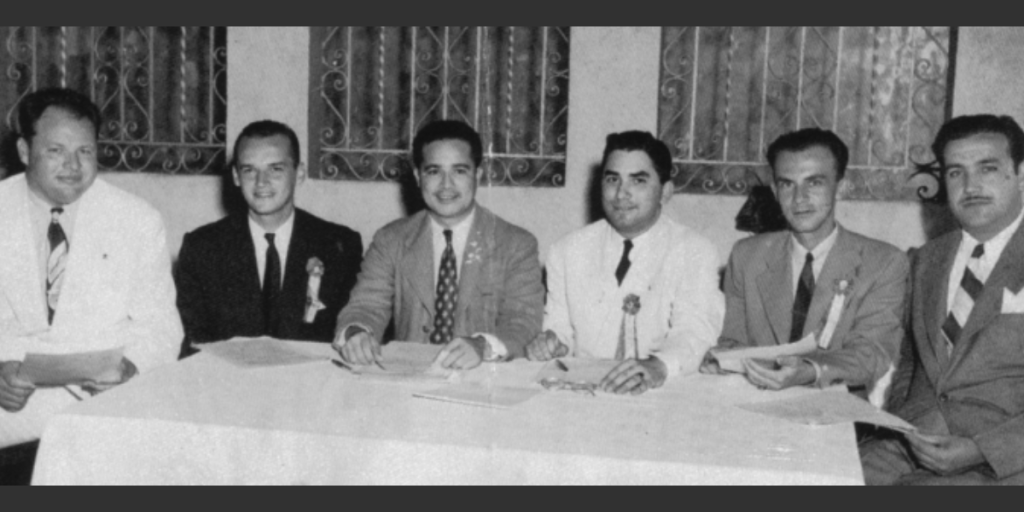
    On December 11, 1944, the Inter-American Congress was held in Mexico City. Representatives from the United States, Costa Rica, El Salvador, Guatemala, Honduras, Mexico, Nicaragua and Panama gathered to officially establish Henry Giessenbier’s 24-year-old civic association as an international organization, Junior Chamber International.

  • The First JCI World Congress

    In 1946, with their new international presence recognized, the first JCI World Congress took place in Panama City, and included the adoption of a provisional Constitution.

  • Laying the Foundation: The First JCI Secretariat and Senate

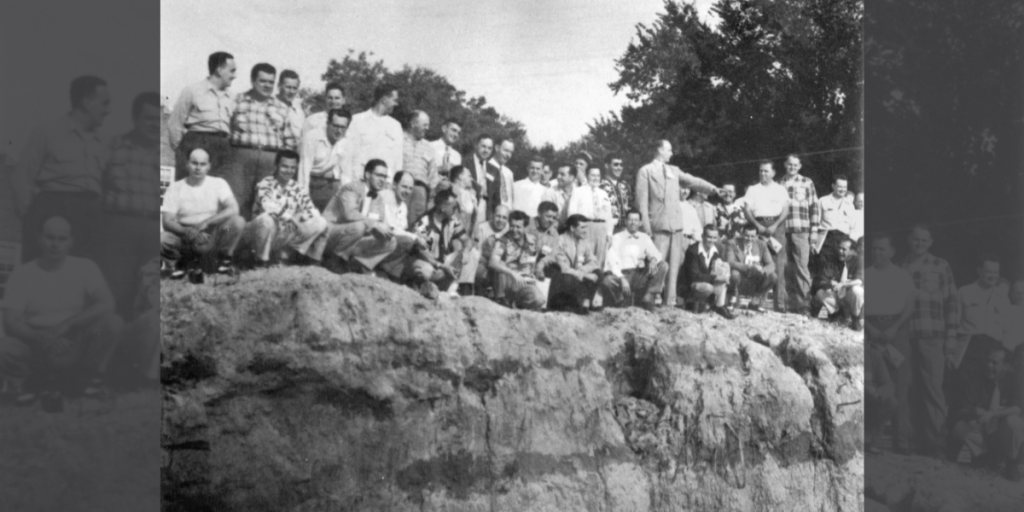
    During his presidency, Phil Pugsley led efforts to establish a permanent JCI Secretariat to strengthen global communication and maintain vital records. With free office space from the US Junior Chamber in Tulsa, Oklahoma, the Secretariat officially began in 1950. Pictured to the right is the groundbreaking ceremony in 1950 for this building that would later contain the USJCC Headquarters and the first JCI Secretariat. Phillip Van Slyck became JCI’s first full-time Secretary General in 1953. Pugsley also introduced the JCI Senate as a cost-effective way to honor exceptional members, awarding JCI Senatorship No. 1 posthumously to former Secretary General Joaquin V. Gonzalez.

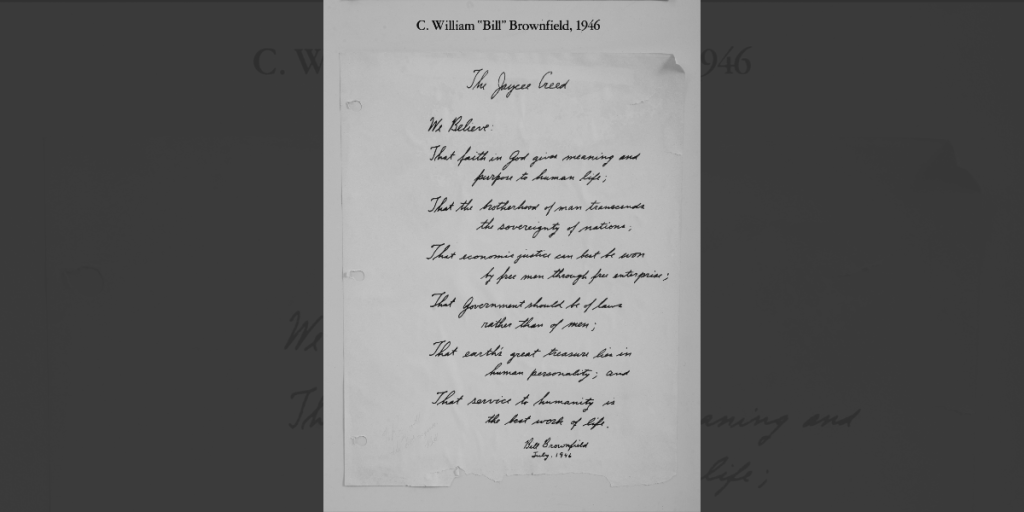
  • JCI Creed Outlines Fundamental Values

    Written by C. William Brownfield, the JCI Creed, a six-line statement of the beliefs and principles of the JCI Movement, was officially adopted in 1948 uniting individual members across the world.

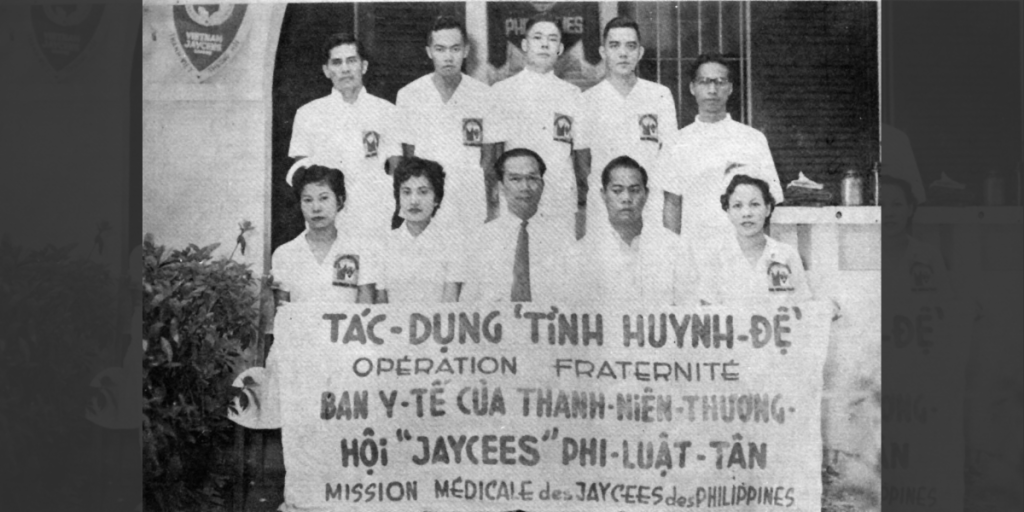
  • Operation Brotherhood

    Exemplifying the value of brotherhood, JCI’s first international campaign launched in 1954. Operation Brotherhood was developed through collaborating with the United Nations to support refugees fleeing communism in Vietnam. The campaign included large-scale fundraising efforts that raised US $1 million, assisted more than 730,000 individuals through health and wellness programs and created more than 350 community living spaces for refugees.

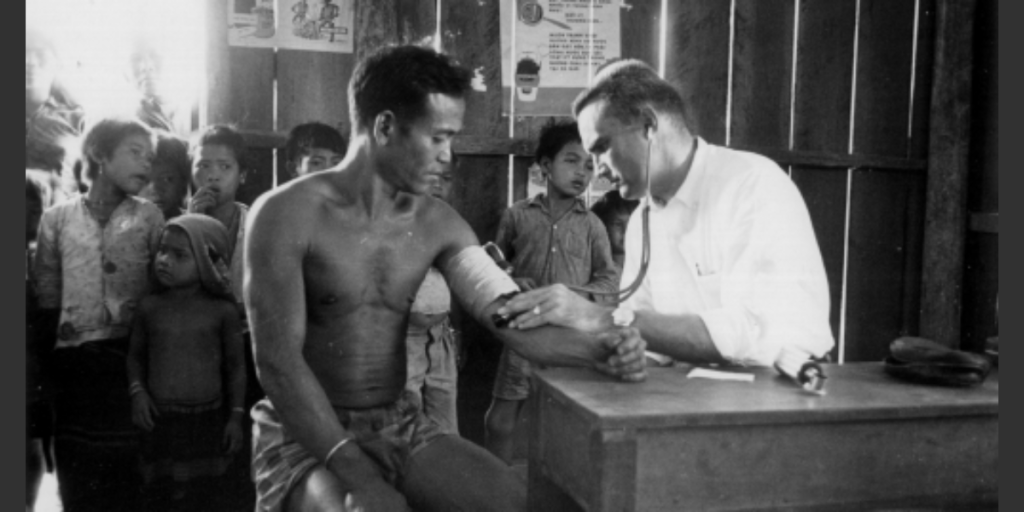
  • Project Concern

    In 1965, Project Concern was started to administer dental and primary care to underprivileged individuals in Hong Kong, Vietnam, Mexico and the Appalachian Mountains in the United States. While the program grew internationally in 1965, it was started by JCI Hong Kong in 1962, spreading to other National Organizations before its international adoption.

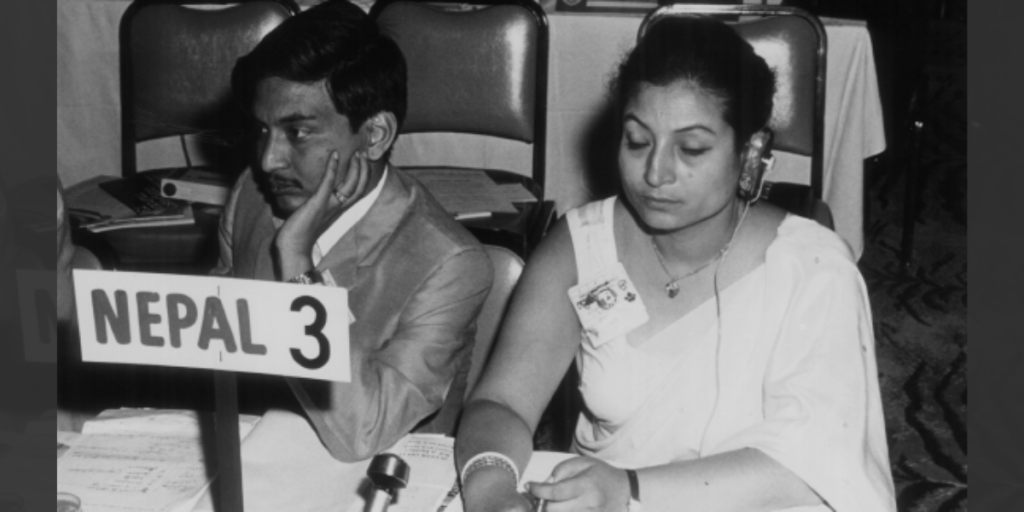
  • Opportunities for Women

    Throughout the 1970’s, membership growth among women soared and in 1971 the first female National President was elected in Nepal.

  • JCI and the United Nations

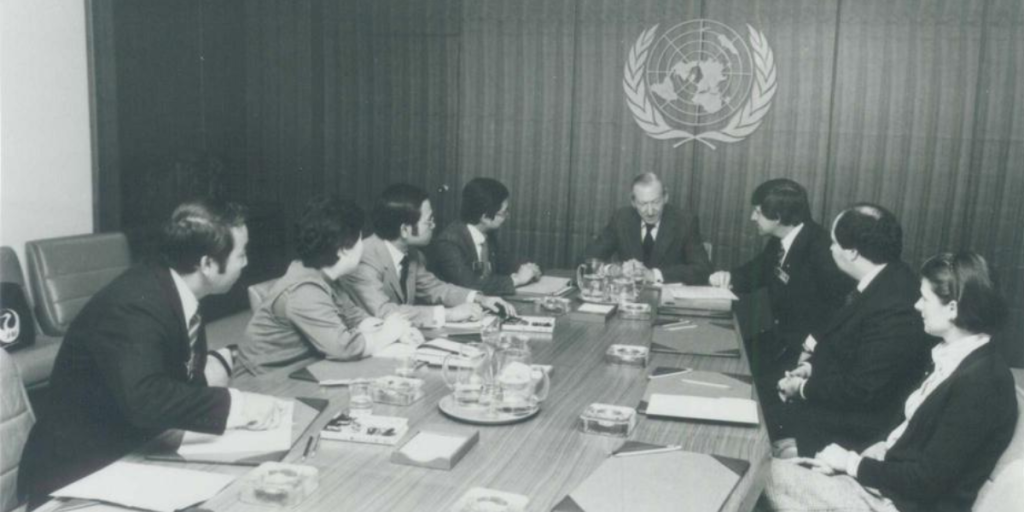
    In 1954, the United Nations Economic and Social Council (ECOSOC) granted JCI Special Consultative status, officially defining the supportive relationship between JCI and the UN. In the photo, 1981 JCI President Gary Nagao visited with the UN Secretary-General Kurt Waldheim at the United Nations to discuss the long-standing partnership between the two organizations.

    1981 JCI President Gary Nagao visits UN Secretary General Waldheim
  • Peaceful Solutions led JCI

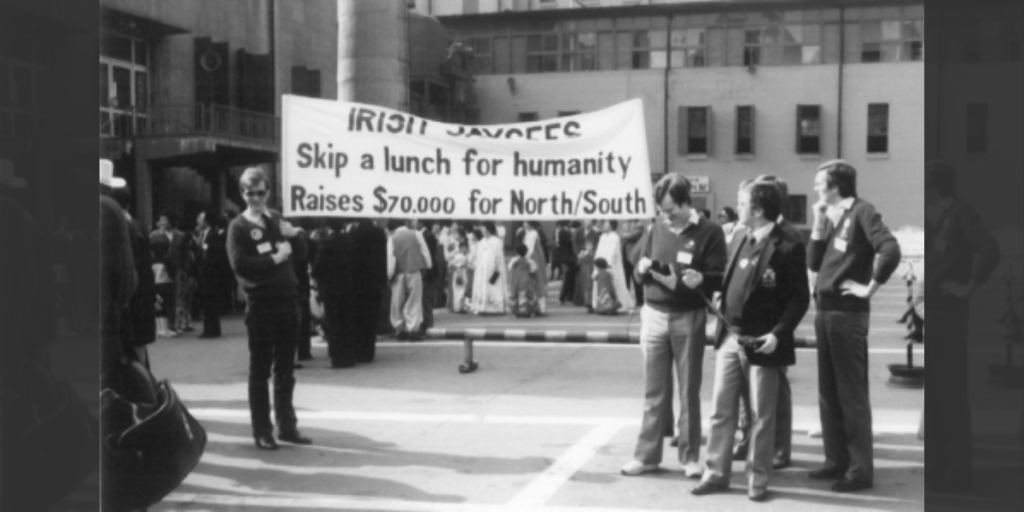
    Starting in the 1980’s, organizational themes focused heavily on equality, internationalism and world peace in response to civil conflicts, assassination attempts and acts of terror as well as increasing global inflation and an oil and energy crisis. At the 1982 JCI World Congress in Seoul, South Korea, delegates skipped lunch to raise funds and support for disadvantaged populations on the North and South Korean border.

  • Peace and Literacy for Children

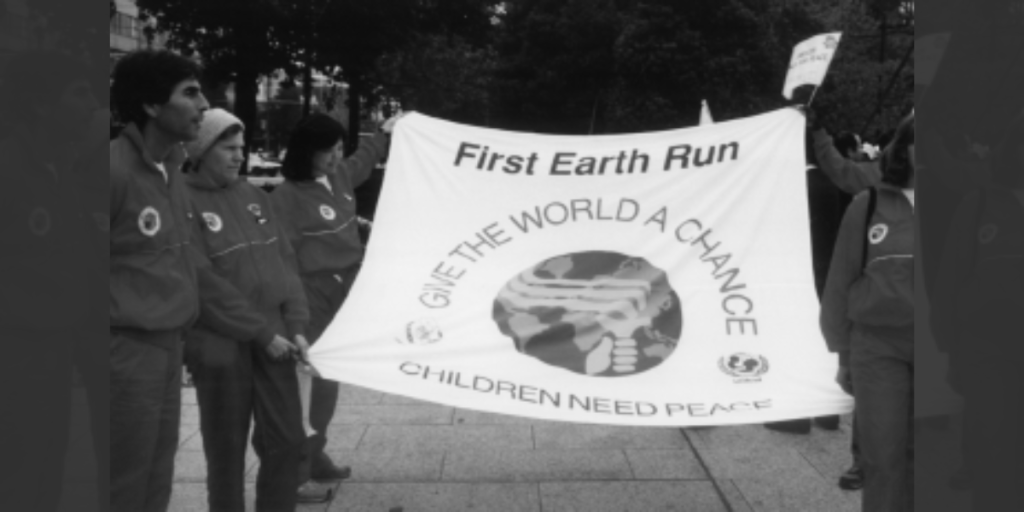
    The first Earth Run at the 1986 JCI World Congress promoted UNICEF and “Global Peace for Children.” Later, in the 1990s JCI officially established a partnership with UNICEF based on the organizations’ mutual commitment to protect and support children. In another project dedicated to child development, members of JCI Hong Kong established the first children’s library and provided mobile libraries to the Social Welfare Office in 1986.

  • JCI Supports Fall of the Berlin Wall

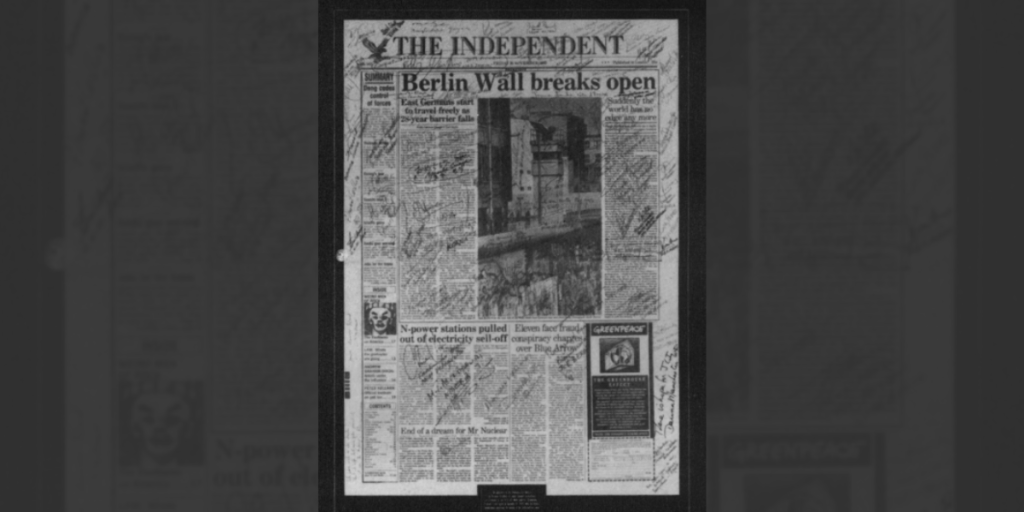
    In 1989, JCI Presidents signed “The Independent” describing the fall of the Berlin Wall and presented it to JCI Germany.

  • JCI Day at the United Nations

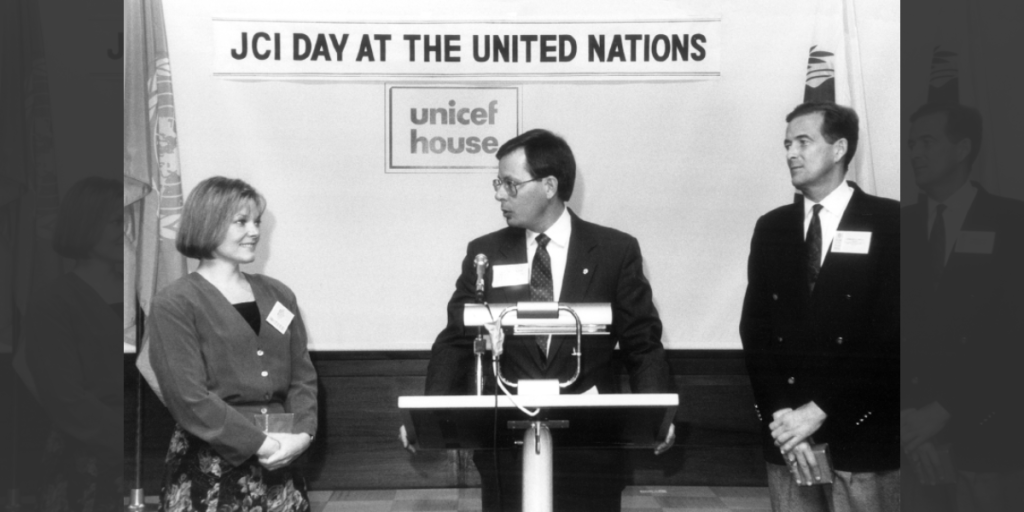
    Throughout the 1990’s, JCI and its long-time partner the United Nations organized JCI Day annually on December 11th at the UN to educate young people on global challenges and how their history of cooperation can inspire local collaborations.

  • JCI Celebrates 50 Years of International Action

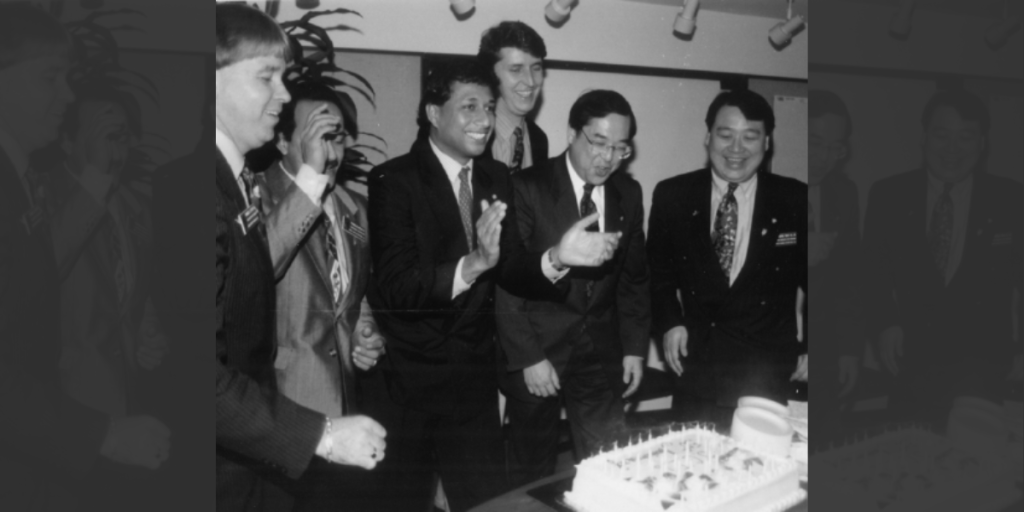
    Half a century after the JCI Movement expanded internationally, JCI celebrated its 50th anniversary. JCI leadership blows out candles to celebrate this momentous occasion. Other celebrations included publishing a JCI Golden Anniversary Book to commemorate 50 years of history since founding internationally in 1944.

  • JCI World Headquarters Relocates to City of its Founding

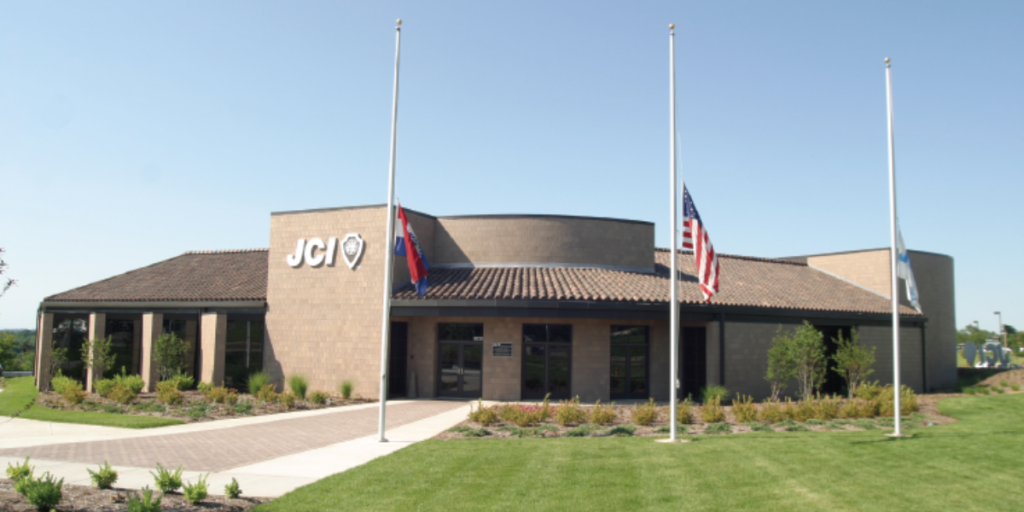
    On November 30, 2002, JCI stakeholders attended the groundbreaking ceremony for the new location of the JCI World Headquarters. After nearly 50 years of being located in Tulsa, Miami or Coral Gables, USA, the headquarters relocated back to the city where the JCI Movement was founded, St. Louis, USA. The building was inaugurated on June 23, 2004.

  • JCI Adopts the Millennium Development Goals

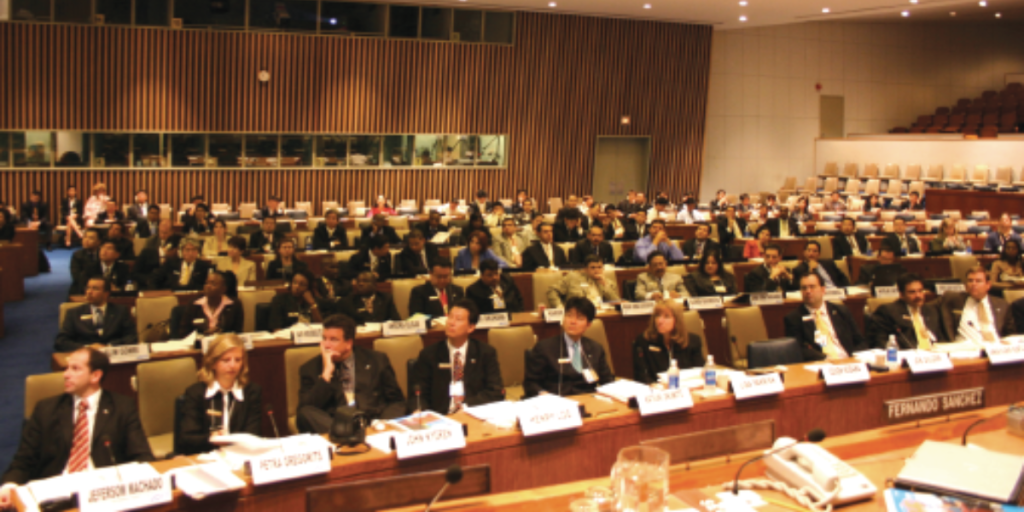
    First a resolution of the JCI-UN Leadership Summit, in 2004 JCI members committed to join leaders around the world to advance the Millennium Development Goals. Members globally continued to run national and local projects aimed to advance these eight global development goals, which ranged from eradicating extreme hunger and poverty to combating HIV/AIDS and malaria.

  • The Fight Against Malaria

    To advance the Millennium Development Goal #6, combat malaria, HIV/AIDS, and other diseases, JCI formalized a partnership with the UN Foundation’s Nothing But Nets campaign in 2008, which focused JCI members’ actions to raise global awareness, advocate for government funding and fundraise to support the fight against malaria through prevention. Over the next eight years, JCI raised over US $3.5 million for malaria prevention. JCI members and organizations around the world continue to support the Nothing But Nets initiative as Champion donors.

  • The JCI Active Citizen Framework

    To increase the quantity of projects that result in sustainable solutions, the General Assembly of the 2010 JCI World Congress adopted the JCI Active Citizen Framework, a roadmap of actionable, results-driven steps to produce sustainable impact. This framework has been a guiding force behind impactful grassroots projects around the world, r such as a medical camp in Bangladesh slums for expectant mothers lacking prenatal resources, community farming in the Dutch Caribbean, apprenticeships for unemployed youth in Europe and voter awareness campaigns across African nations.

  • 100 Years of Impact

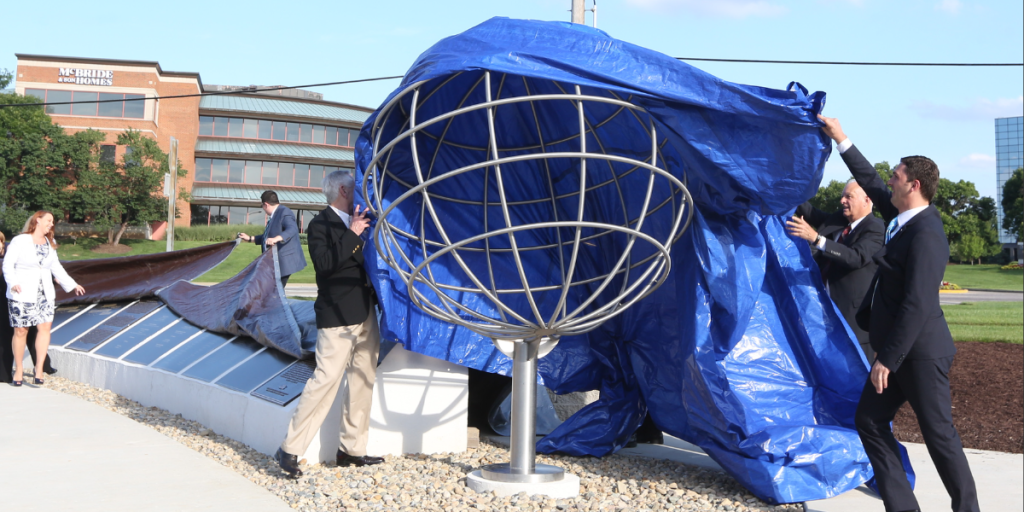
    As JCI celebrated the 100th Anniversary of the JCI Movement, the moment presented itself for the organization to reflect upon and celebrate 100 Years of Impact. Celebrations included parties, 100th Anniversary documentary screenings and a commemorative monument and unveiling at the JCI World Headquarters. JCI members across the globe participated in Project Impact 100 with the goal of empowering young people and their communities to impact the lives of 100 individuals by taking grassroots action to create positive change; 467,540 individuals were impacted globally.

  • Ending Extreme Poverty, Inequality and Climate Change by 2030

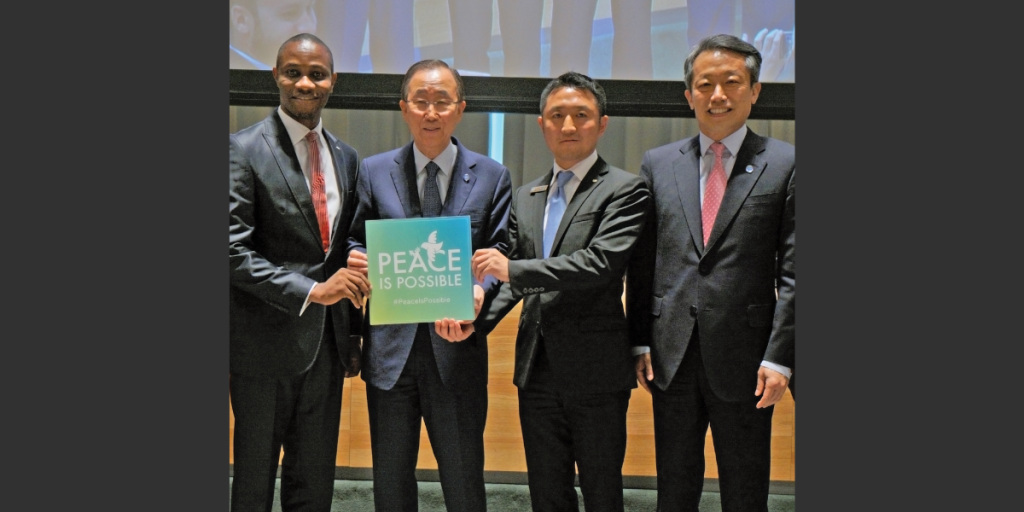
    2016 was the first year of implementation for the 15-year global development agenda—The Global Goals for Sustainable Development. These 17 ambitious goals aim at achieving three extraordinary tasks: end extreme poverty, fight inequality and injustice and combat climate change. During the 2015 JCI World Congress in Kanazawa, Japan, JCI leaders committed to advancing these goals by creating awareness, taking action on the goals most relevant in their communities and taking responsibility to hold JCI members as well as all sectors of society accountable to implement and monitor the progress of the Global Goals. In the same year, JCI launched the Peace is Possible campaign, an inter-generational movement to promote peace in every country and community that focuses on SDG 16: Peace, Justice and Strong Institutions.

  • The Global Youth Empowerment Fund

    The Global Youth Empowerment Fund, a joint initiative from JCI and the United Nations SDG Action Campaign, begins funding projects that advance one or more of the SDGs. During its first cycle, the Fund provided financial resources of up to $5,000 to three projects. In the same year, JCI began the I Am Africa campaign, a pan-African movement meant to inspire African youth into taking action for grassroots change. 

  • Step Up for Europe

    JCI launched Step Up for Europe, a movement that mobilizes young Europeans to participate in the political process and take part in shaping the future of their continent. The flagship project, the JCI European Know-How Transfer, gives youth hands-on experience with policy makers in the European Union. 

Terms and Conditions

JCI Global Youth Summit 2026

By completing your registration for the JCI Global Youth Summit 2026 (“the Summit”), you acknowledge that you have read, understood, and agreed to the following Terms and Conditions.

Code of Conduct Compliance

Participants are expected to comply with the JCI Event Code of Conduct and Harassment Policy at all times and contribute to a safe, respectful, inclusive, and professional environment for all participants, speakers, organizers, and collaborating institutions.

Personal Data and Media Consent

Participants consent to the collection, processing, and use of personal information for Summit-related administrative and operational purposes, including registration, communications, logistical coordination, participant management, and post-event follow-up.

Participants also grant JCI permission to use photographs, video recordings, audio recordings, or other media captured during the Summit for educational, informational, archival, communications, and reporting purposes related to the activities and mission of JCI and the Summit.

Personal data will be processed in accordance with applicable privacy and data protection laws.

Participation and Access

Participation in certain Summit sessions or activities may be subject to security procedures, identification requirements, venue regulations, and capacity limitations.

Participants are expected to comply with all venue access and security requirements communicated by the organizers.

Visa Policy

Participants requiring a visa to attend the Summit are solely responsible for initiating and managing their visa application process in a timely manner and for complying with all applicable immigration requirements.

JCI World Headquarters may provide an official invitation letter upon request for participants who have completed the registration requirements and applicable participation process.

Invitation letters are issued solely to support visa applications and do not guarantee visa approval.

Participant Responsibility

Participants are responsible for arranging and covering their own travel, accommodation, insurance, transportation, and personal expenses unless otherwise expressly stated by the organizers.

Health and Insurance

Participants are strongly encouraged to obtain appropriate travel and health insurance coverage for the duration of their participation in the Summit.

JCI shall not be responsible for medical expenses, travel disruptions, or personal losses incurred during participation in the Summit.

Behavioral Expectations

Participants are expected to maintain respectful and professional conduct throughout the Summit.

Harassment, discrimination, intimidation, disruptive conduct, or behavior inconsistent with the JCI Code of Conduct may result in removal from participation and potential restriction from future JCI activities.

Complaint and Incident Reporting

Participants acknowledge awareness of the procedures available for reporting incidents, concerns, or violations of the JCI Code of Conduct and Harassment Policy.

All reports will be handled with appropriate confidentiality and seriousness.

Third-Party Services and Venues

Certain Summit activities may take place at external venues or involve services provided by third parties, including transportation, accommodation providers, or event facilities.

Such services remain subject to the operational policies and responsibility of the respective third-party providers.

Assumption of Risk

Participants acknowledge that participation in an international event may involve certain inherent risks, including travel disruptions, health-related risks, accidents, security measures, or changes in governmental regulations or entry requirements.

By participating in the Summit, participants voluntarily assume such risks associated with travel and attendance.

Limitation of Liability

To the extent permitted by applicable law, JCI and collaborating organizations shall not be responsible for personal injury, illness, delay, loss, theft, damage, or other unforeseen circumstances arising from participation in or travel related to the Summit, except where caused by gross negligence or willful misconduct.

Force Majeure

JCI reserves the right to modify, postpone, or cancel the Summit due to circumstances beyond its reasonable control, including but not limited to natural disasters, public health emergencies, government restrictions, labor disruptions, security incidents, or other force majeure events.

Acceptance

By completing your registration, you confirm that you have read, understood, and accepted these Terms and Conditions for participation in the JCI Global Youth Summit 2026.

History & Legacy

,

History & Legacy