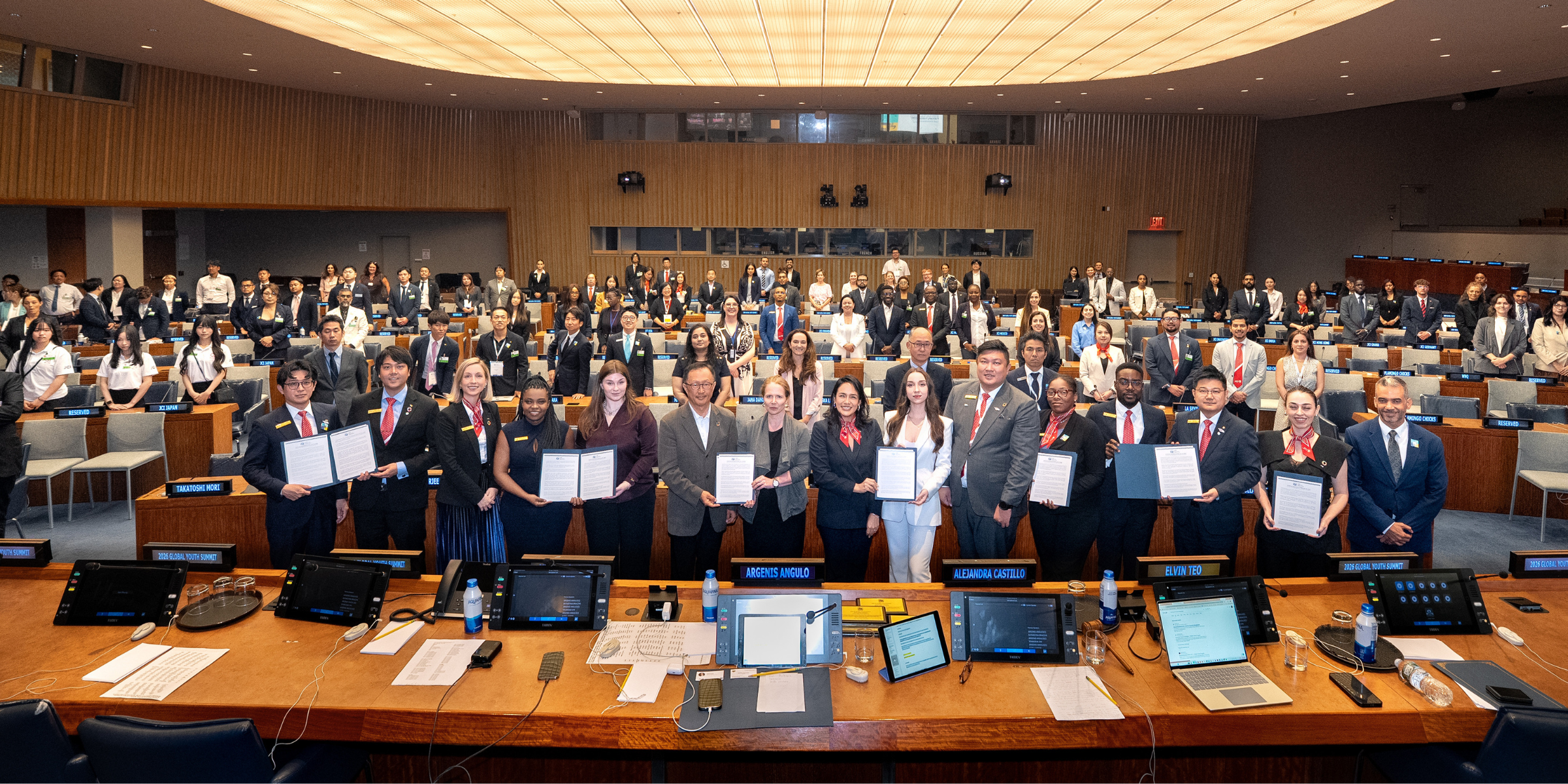
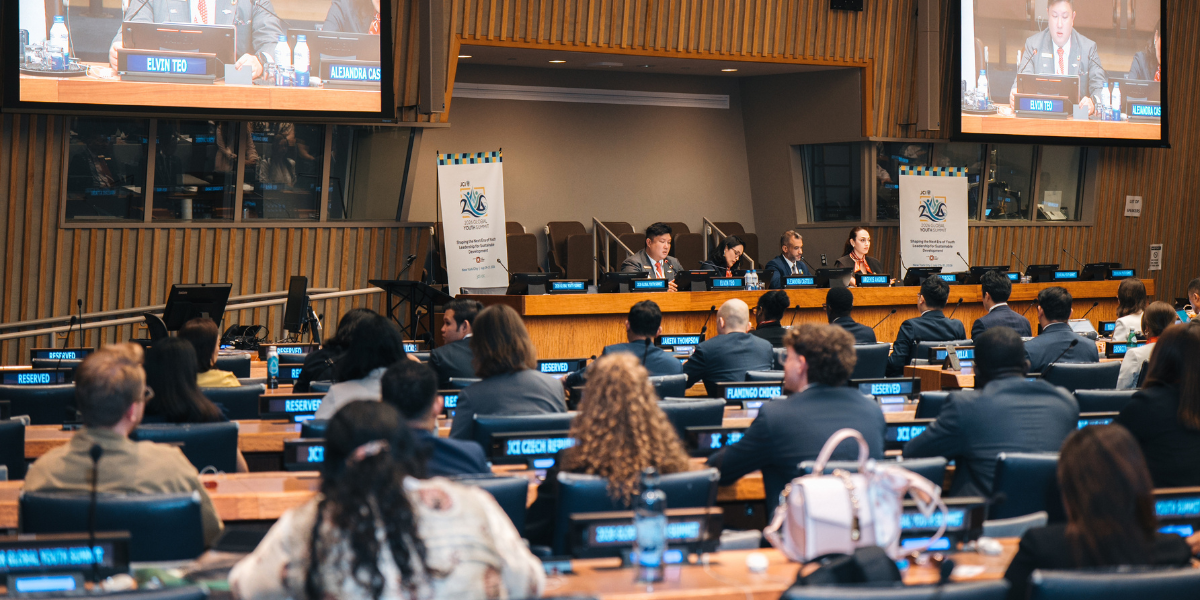
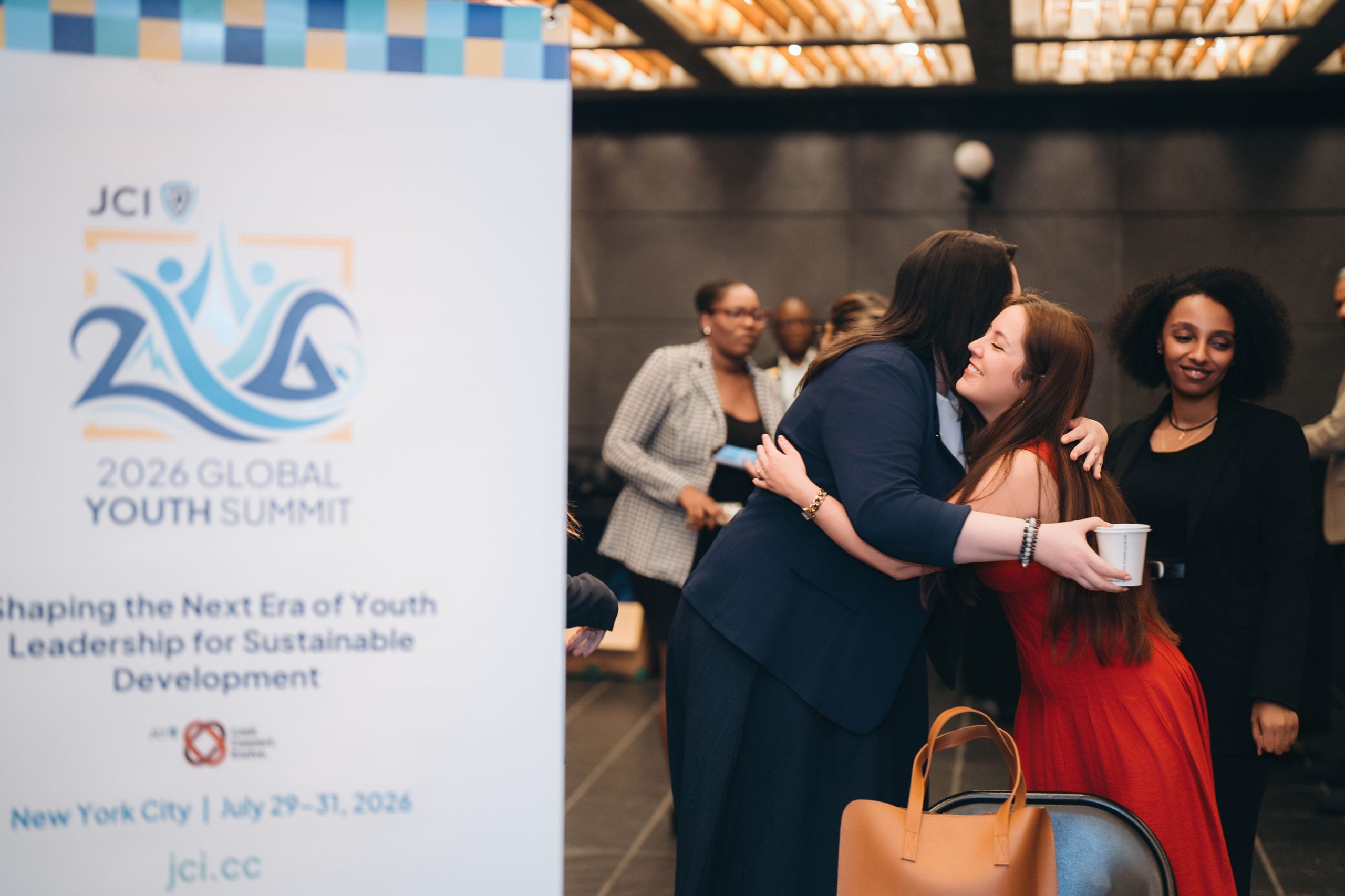
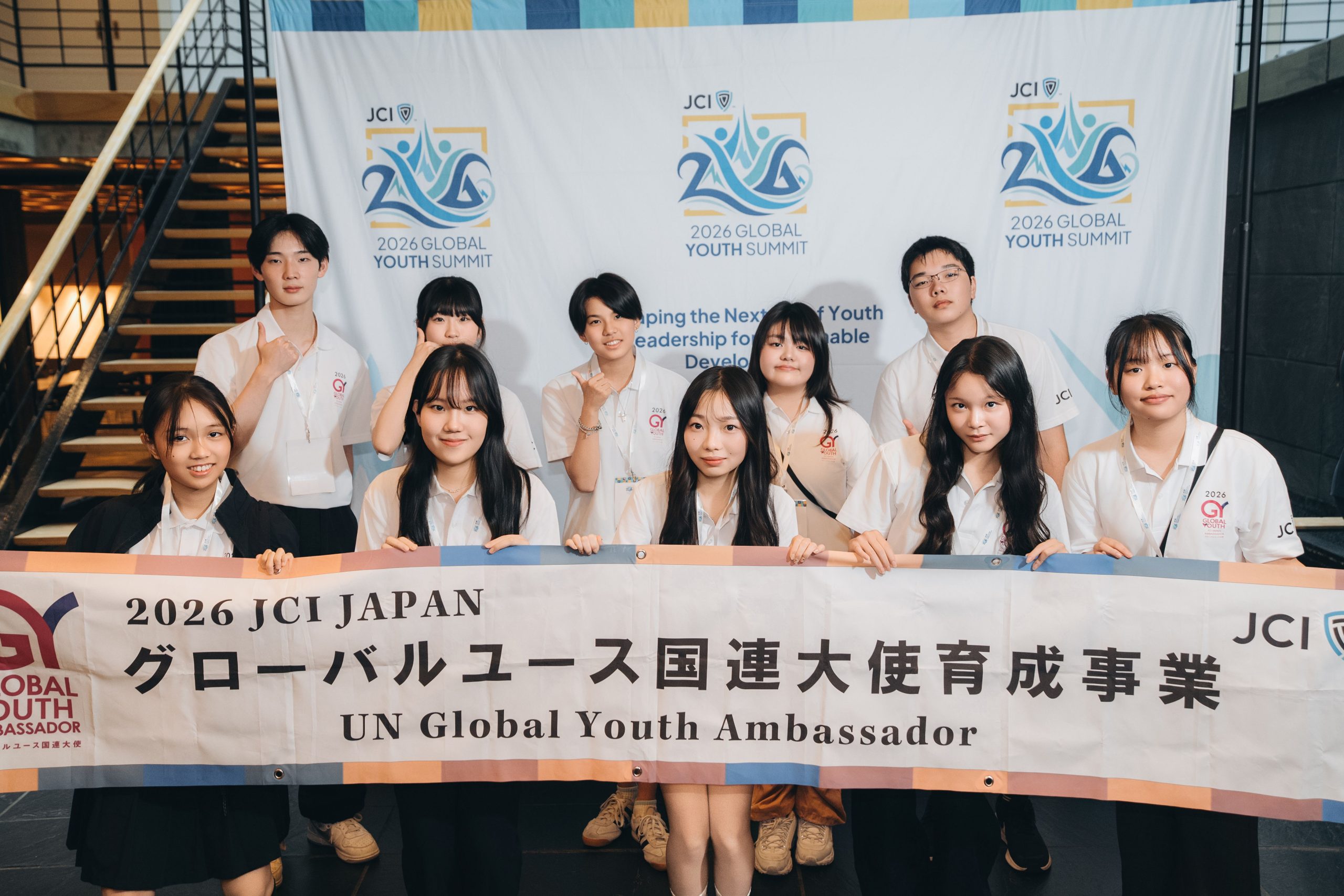
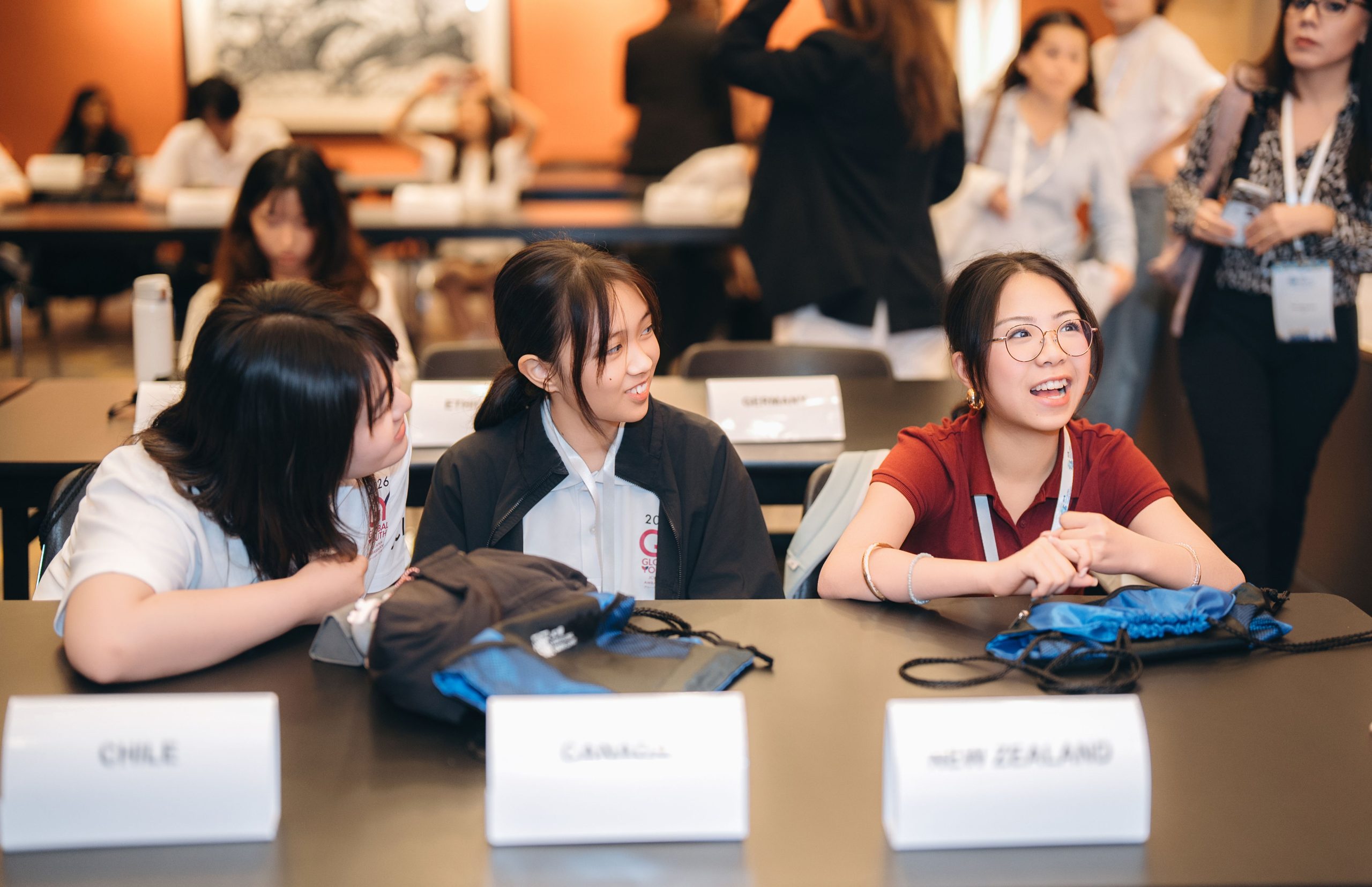
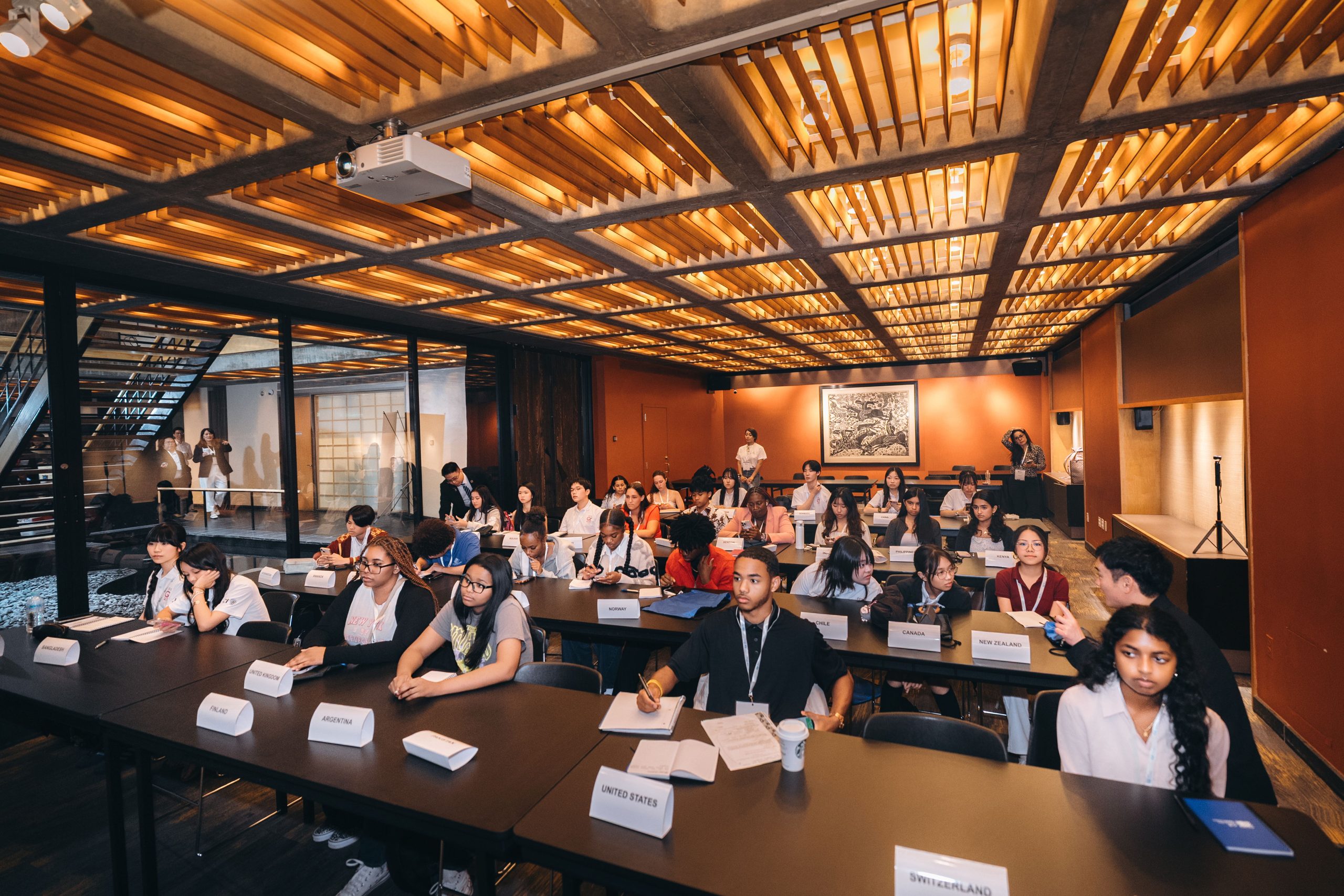
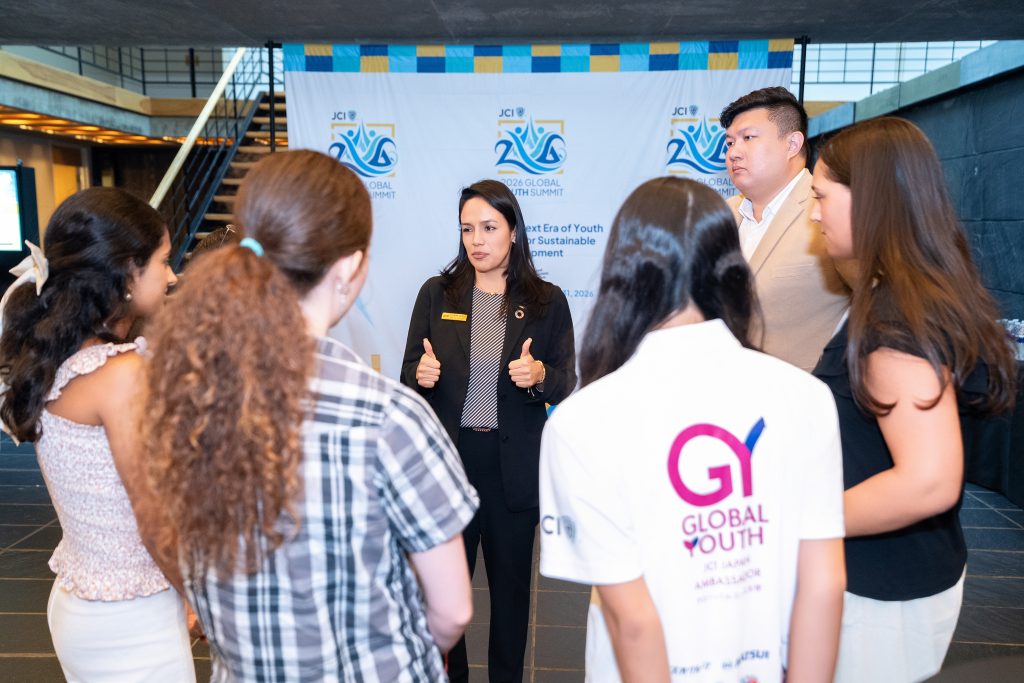
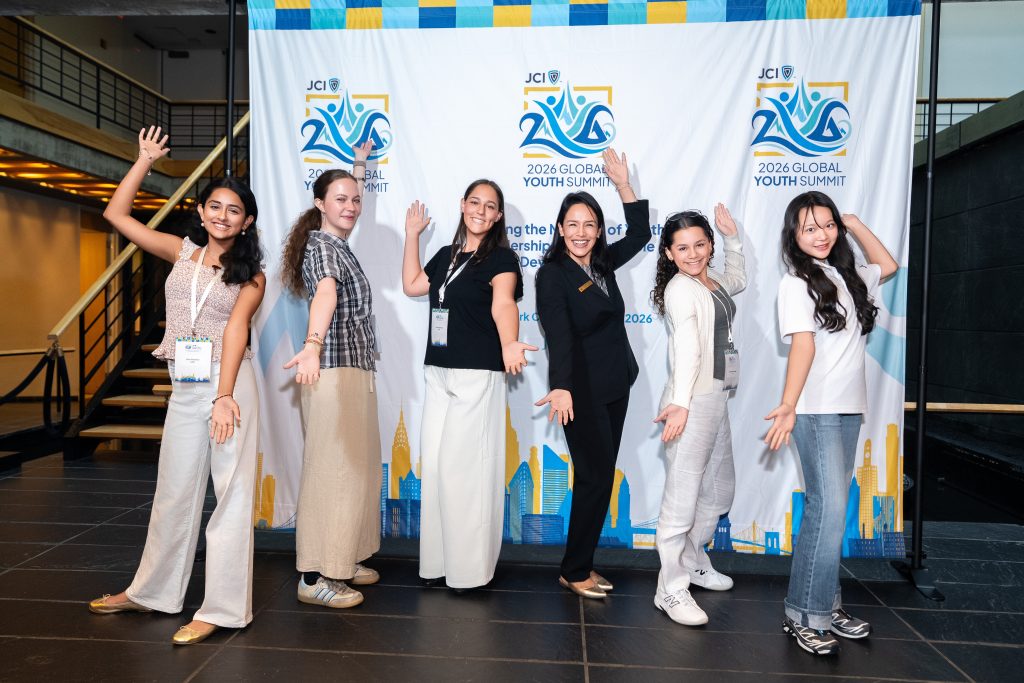
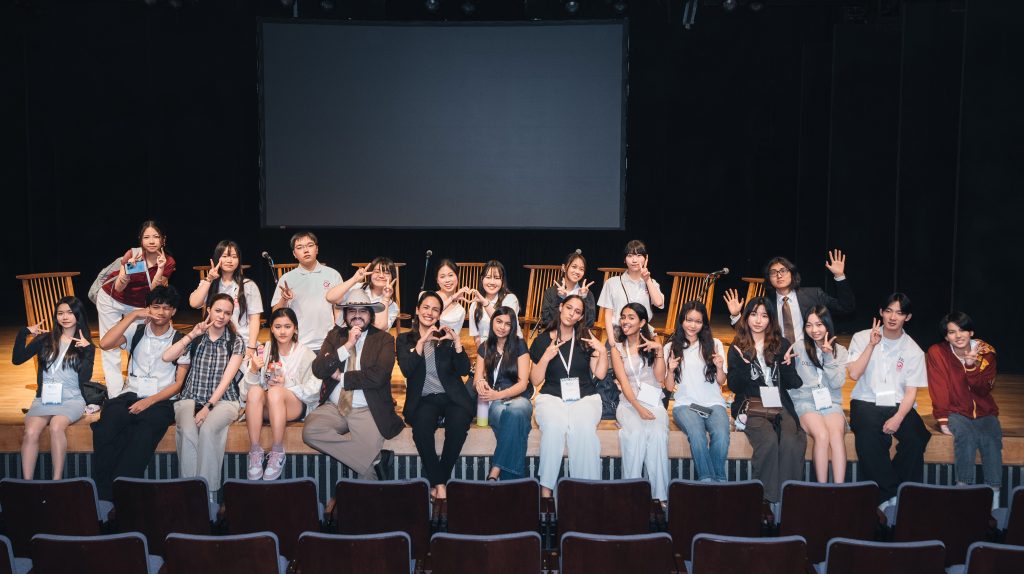
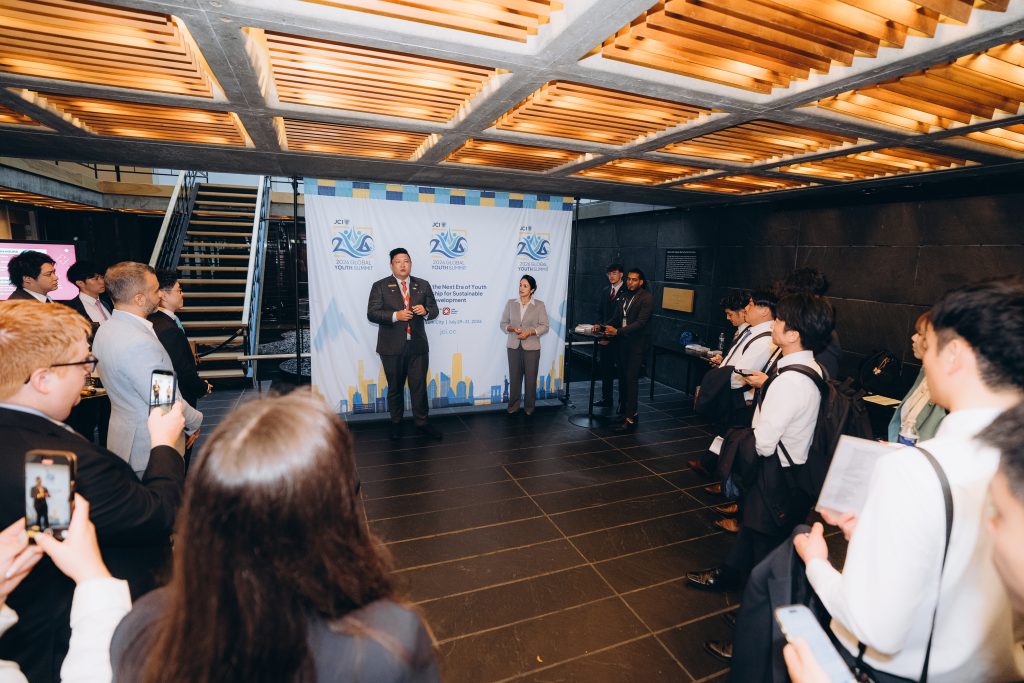
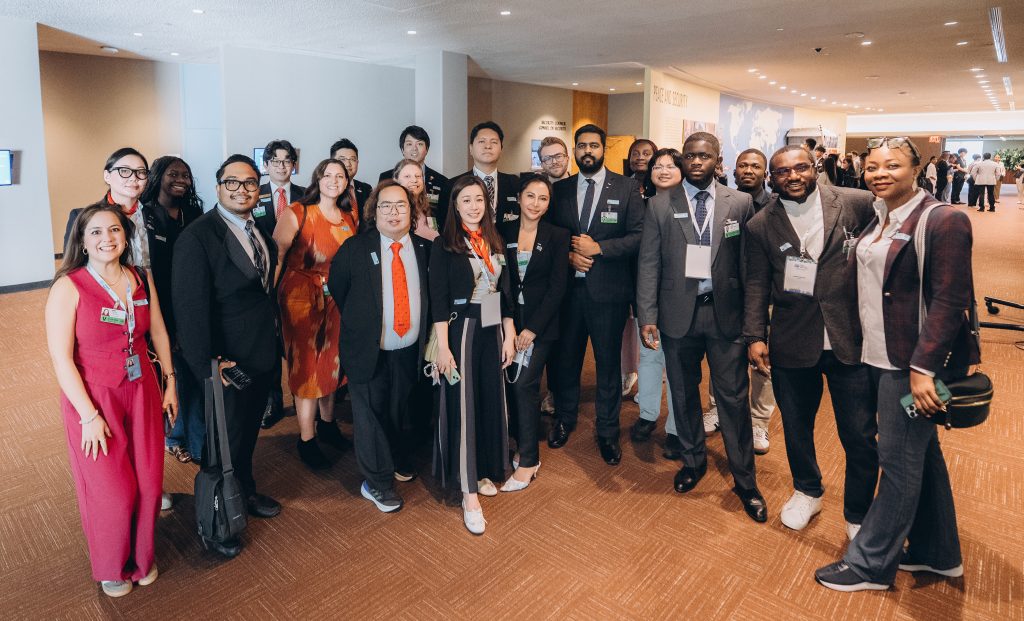
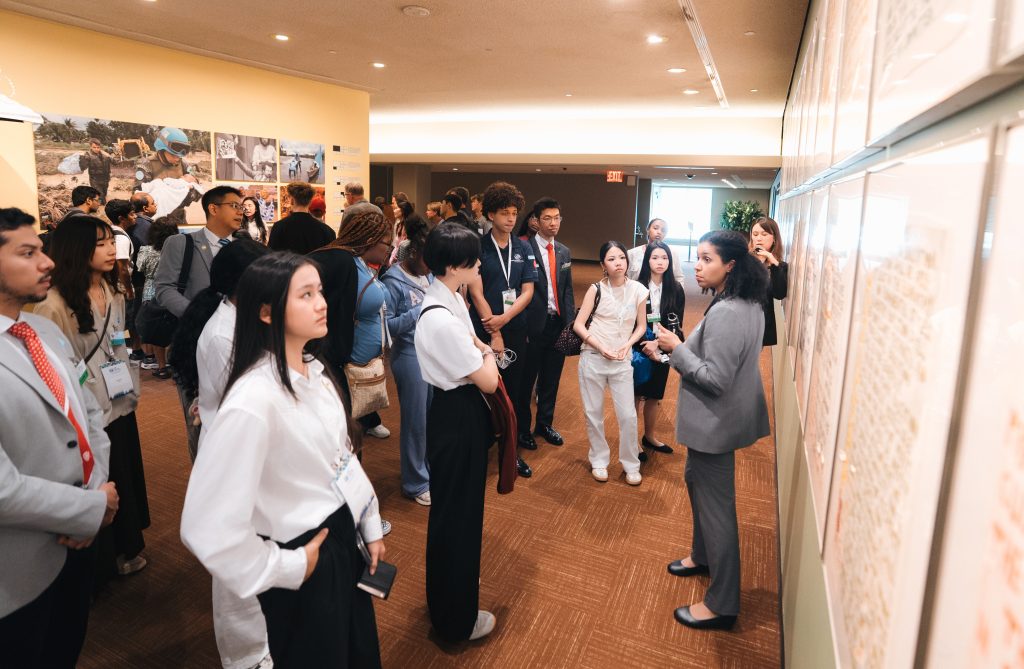
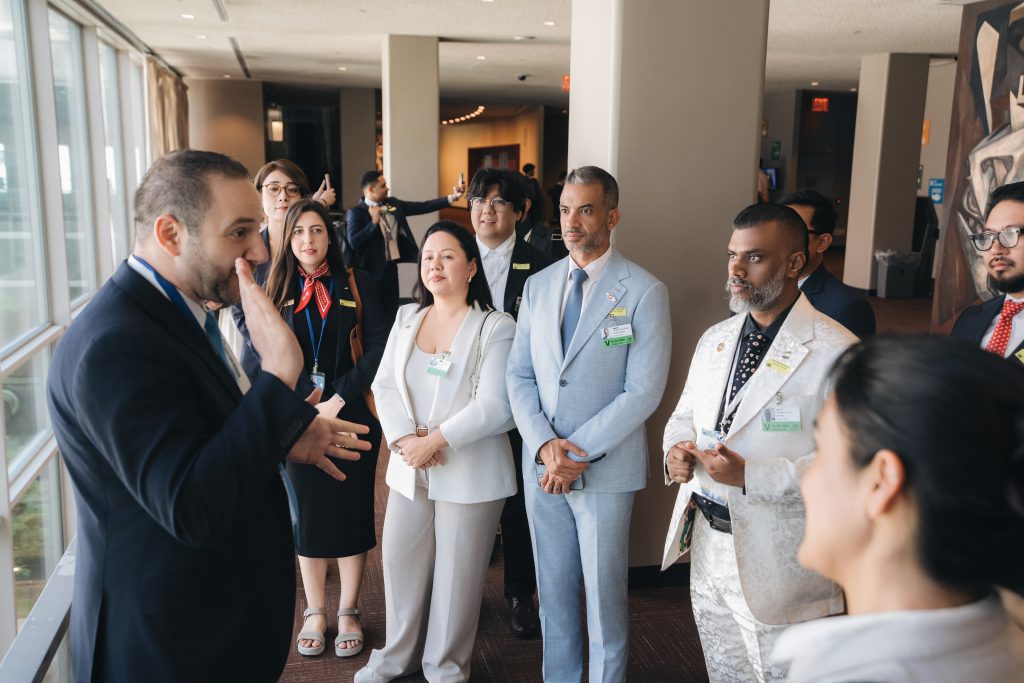
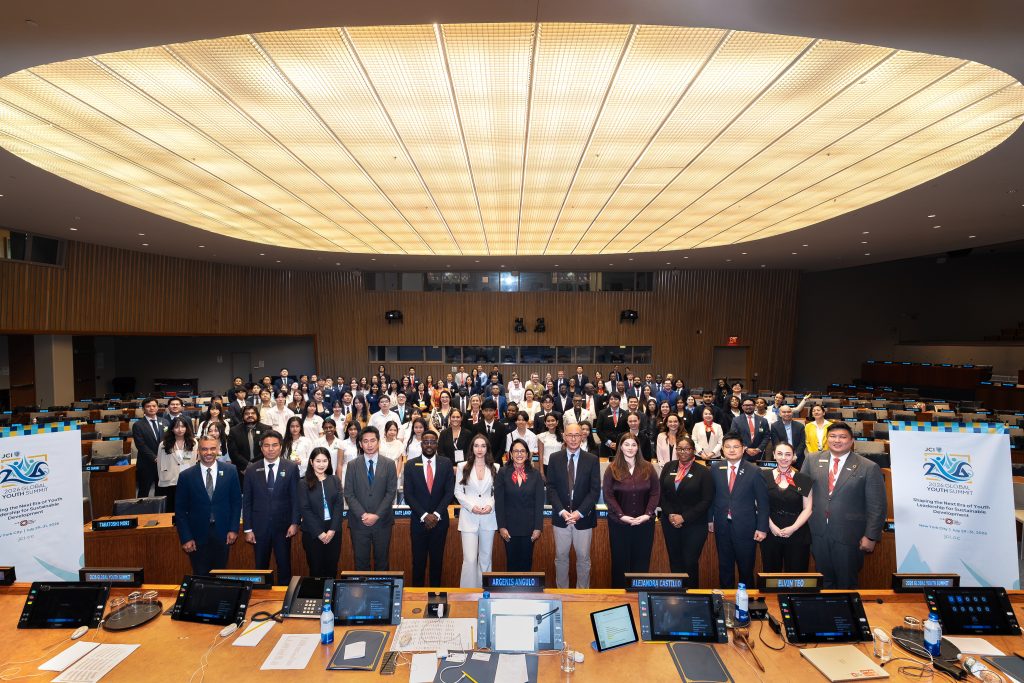
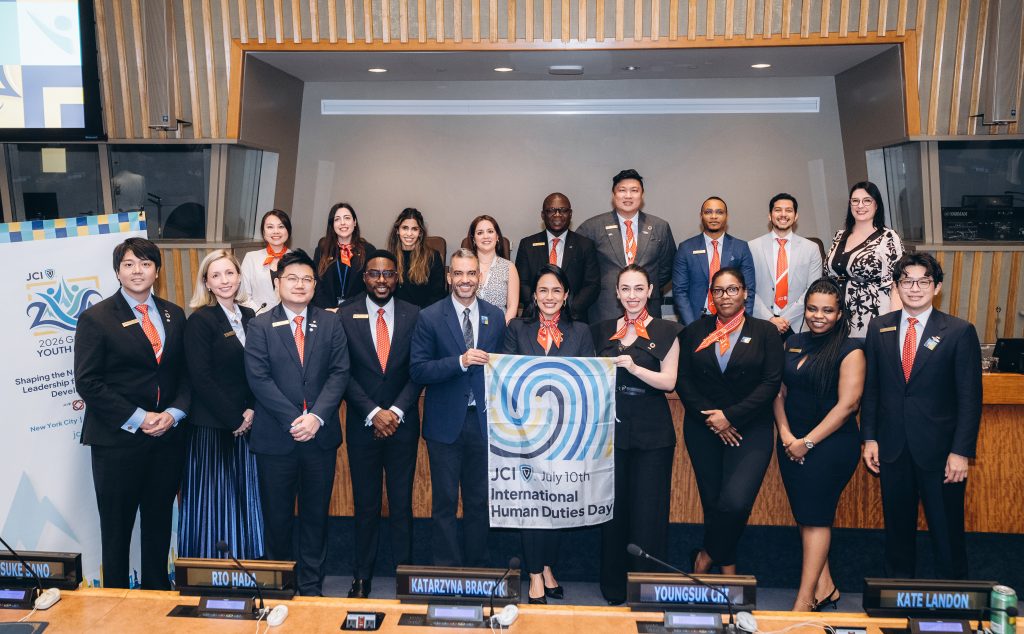
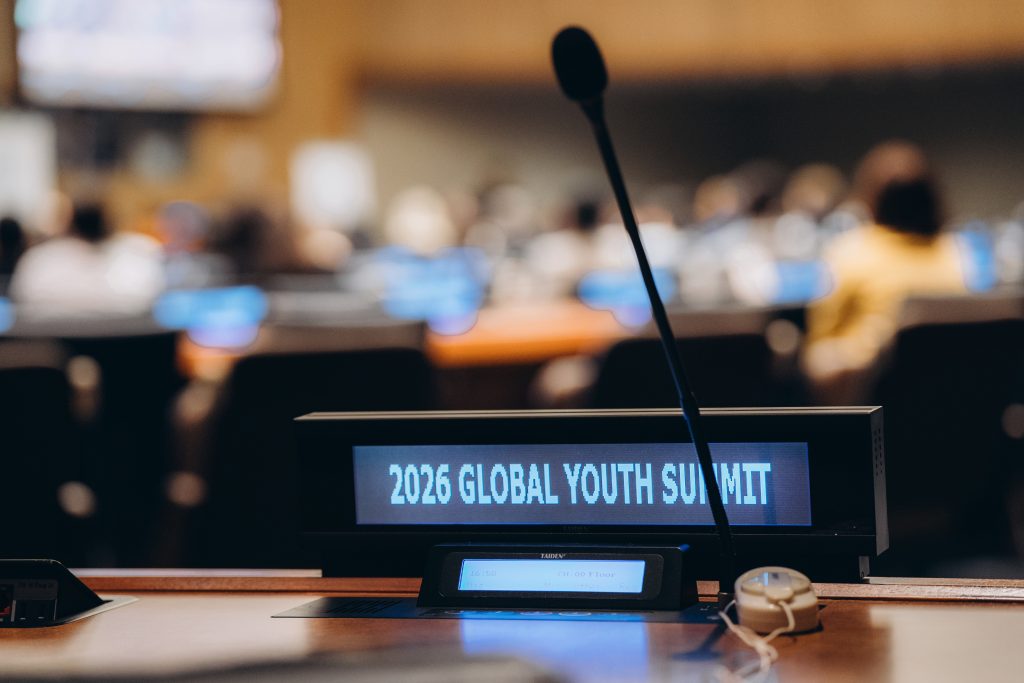
From July 29 to 31, 2026, the JCI Global Youth Summit brought together young leaders from across Africa and the Middle East, Asia and the Pacific, the Americas, and Europe. Hosted in New York City at Japan Society and welcomed into the halls of the United Nations, the Summit was an educational forum where young people practiced diplomacy, dialogue, and collaborative problem-solving on the challenges that will define their generation.
Built on the legacy of the JCI Partnership Summit and delivered through a modified Model United Nations format, the three-day program invited participants into two parallel experiences: the Youth Ambassador Track for younger delegates, and the Summit Delegate Track for aspiring leaders in global affairs. Together they moved through simulations, workshops, and expert dialogues, working toward a single shared outcome.
Day 1: The Rise of Global Youth Leadership
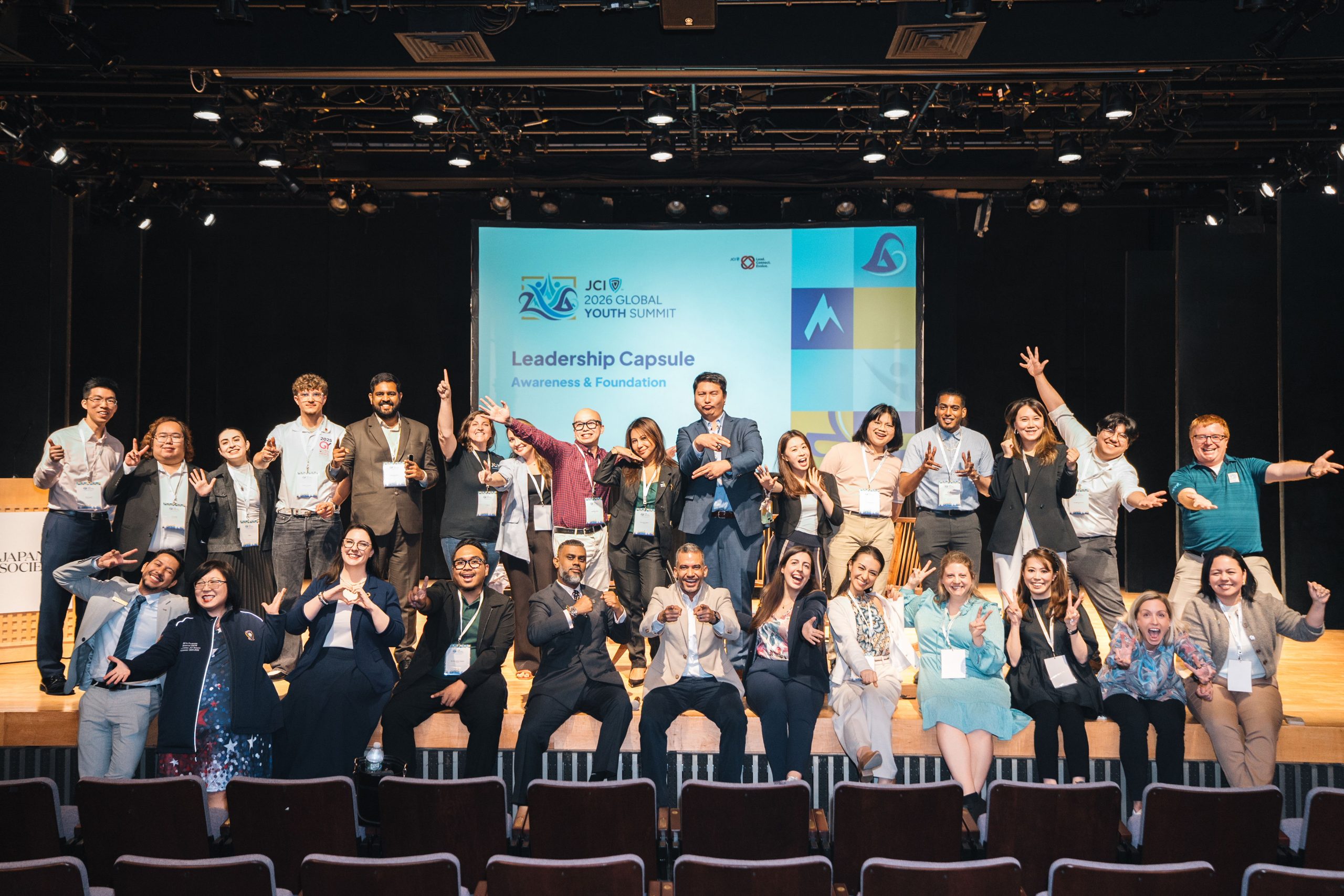
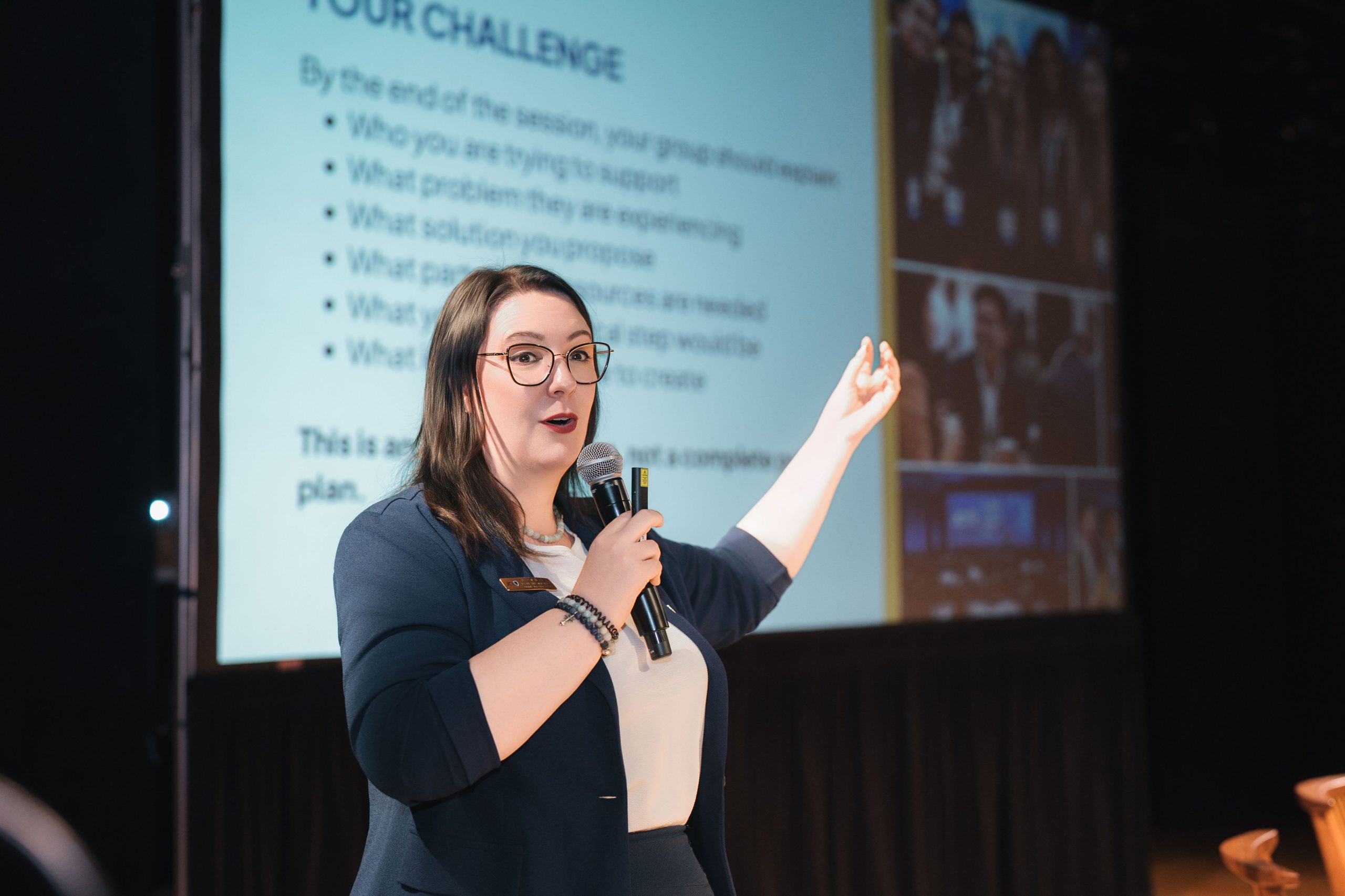
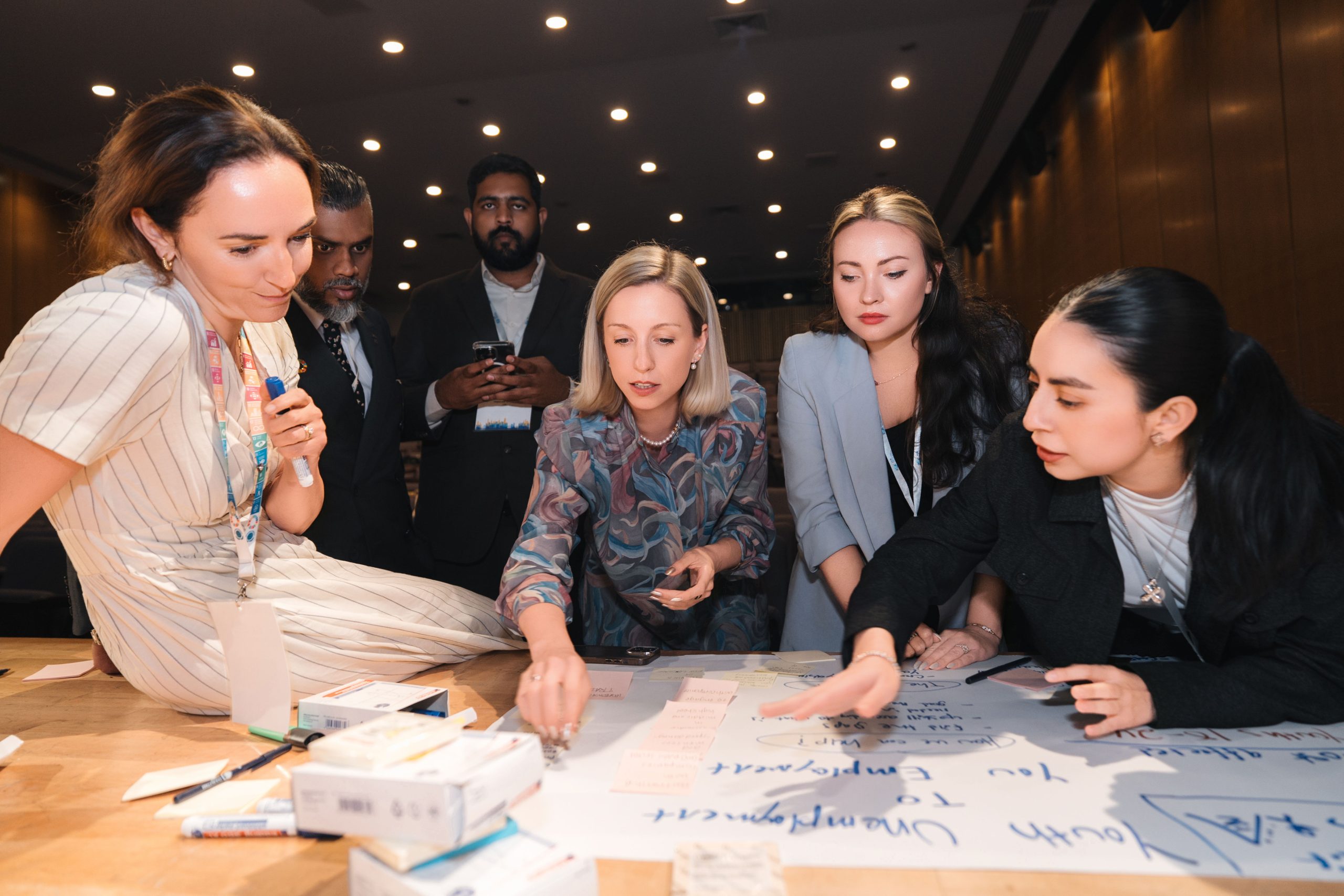
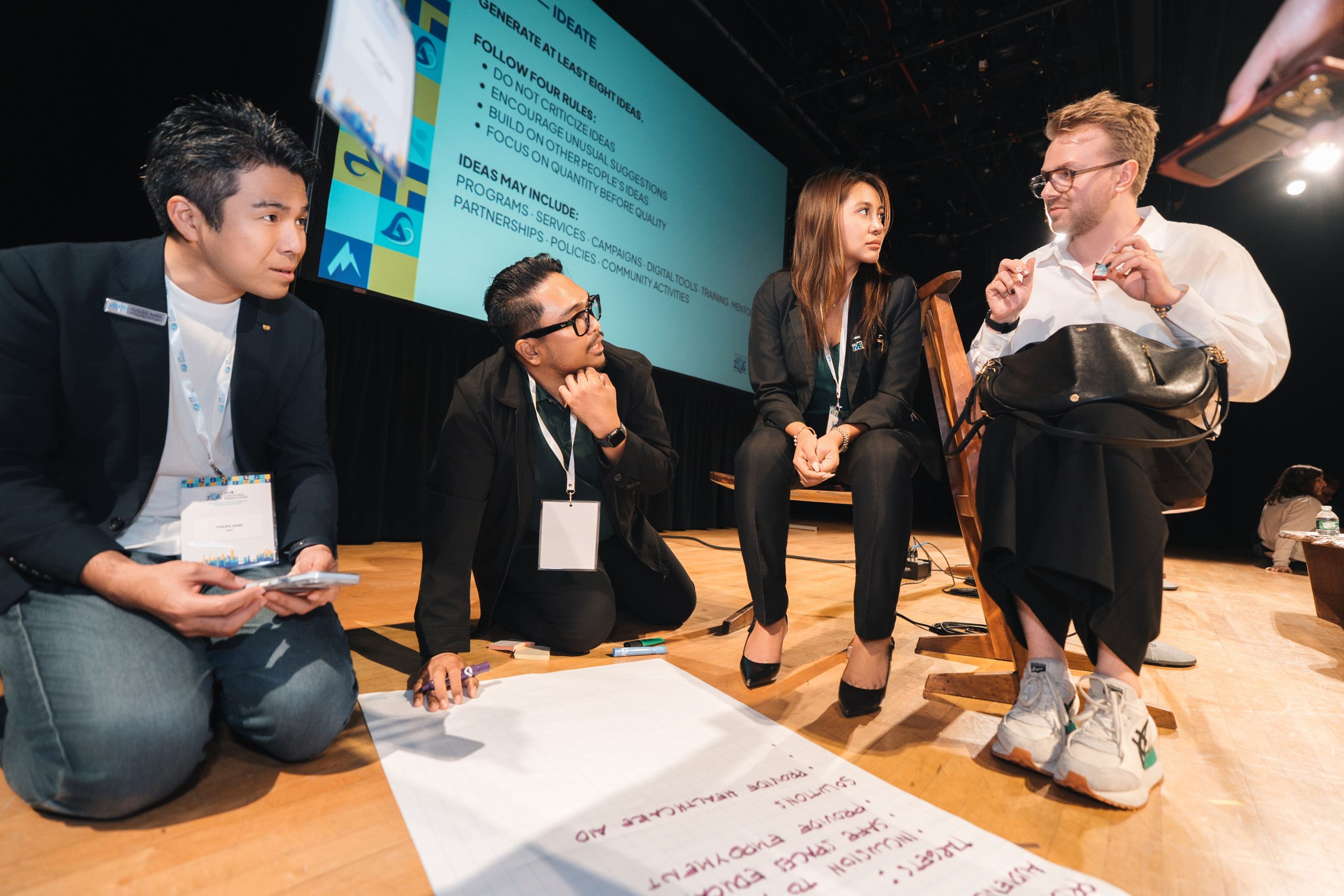
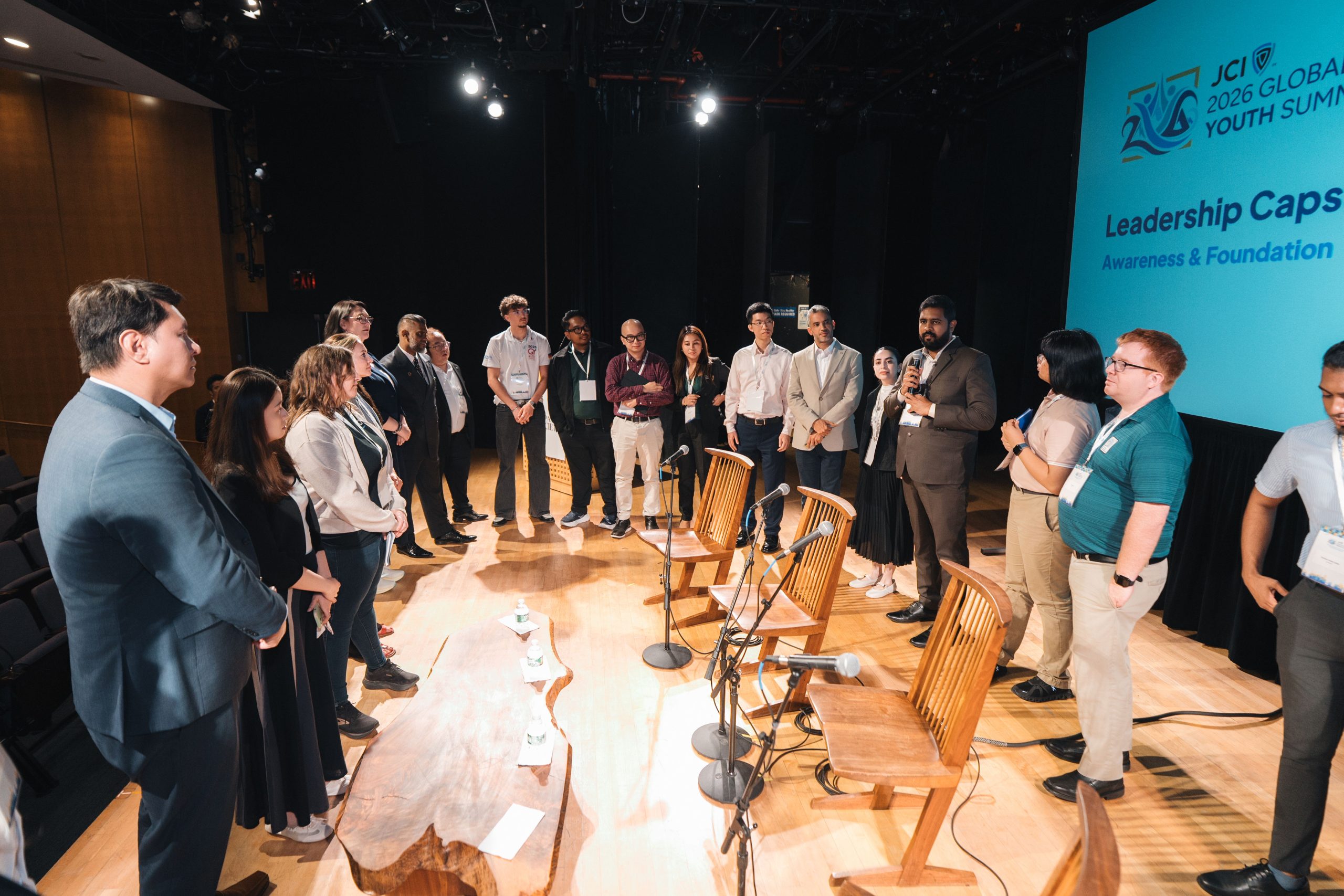
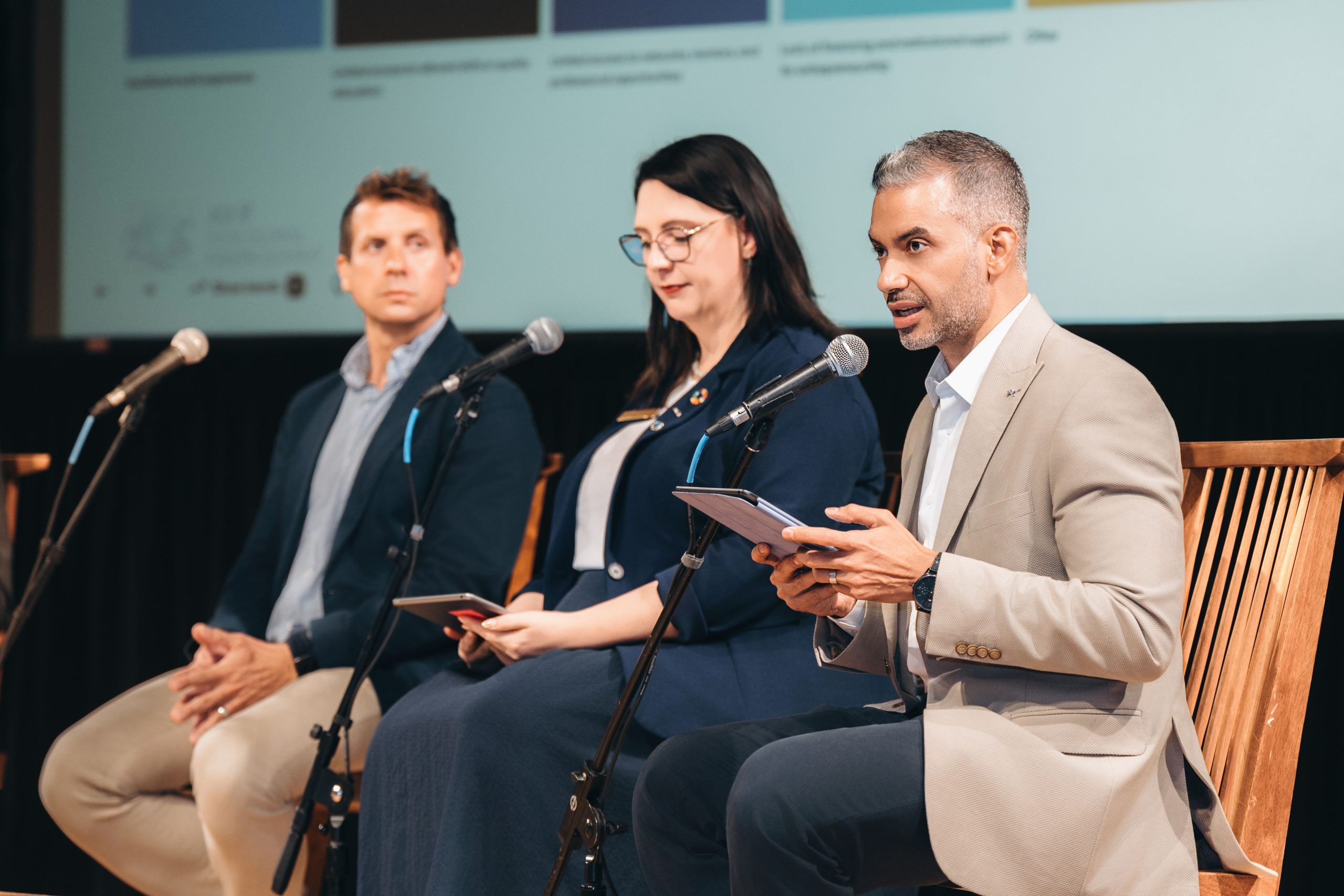
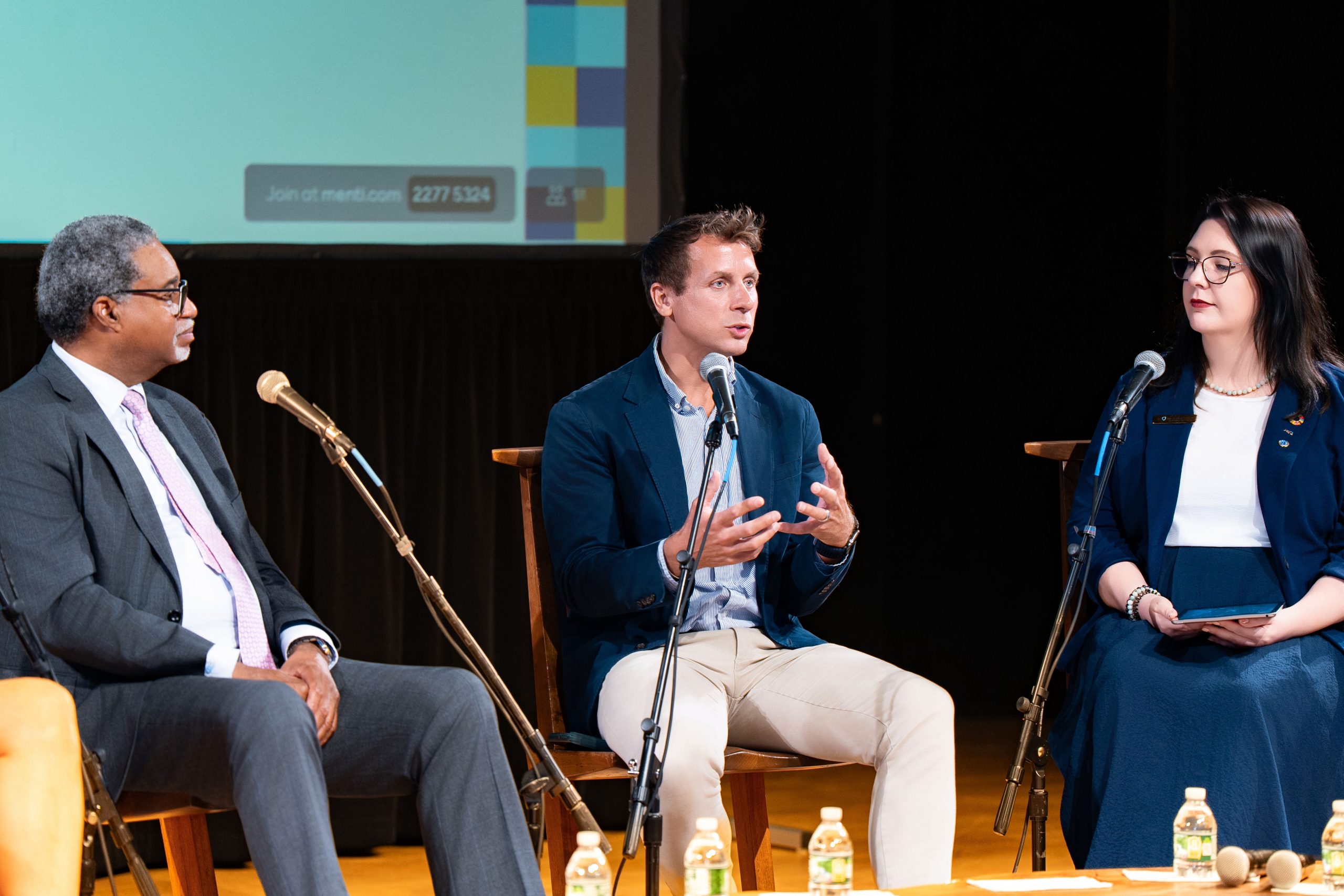
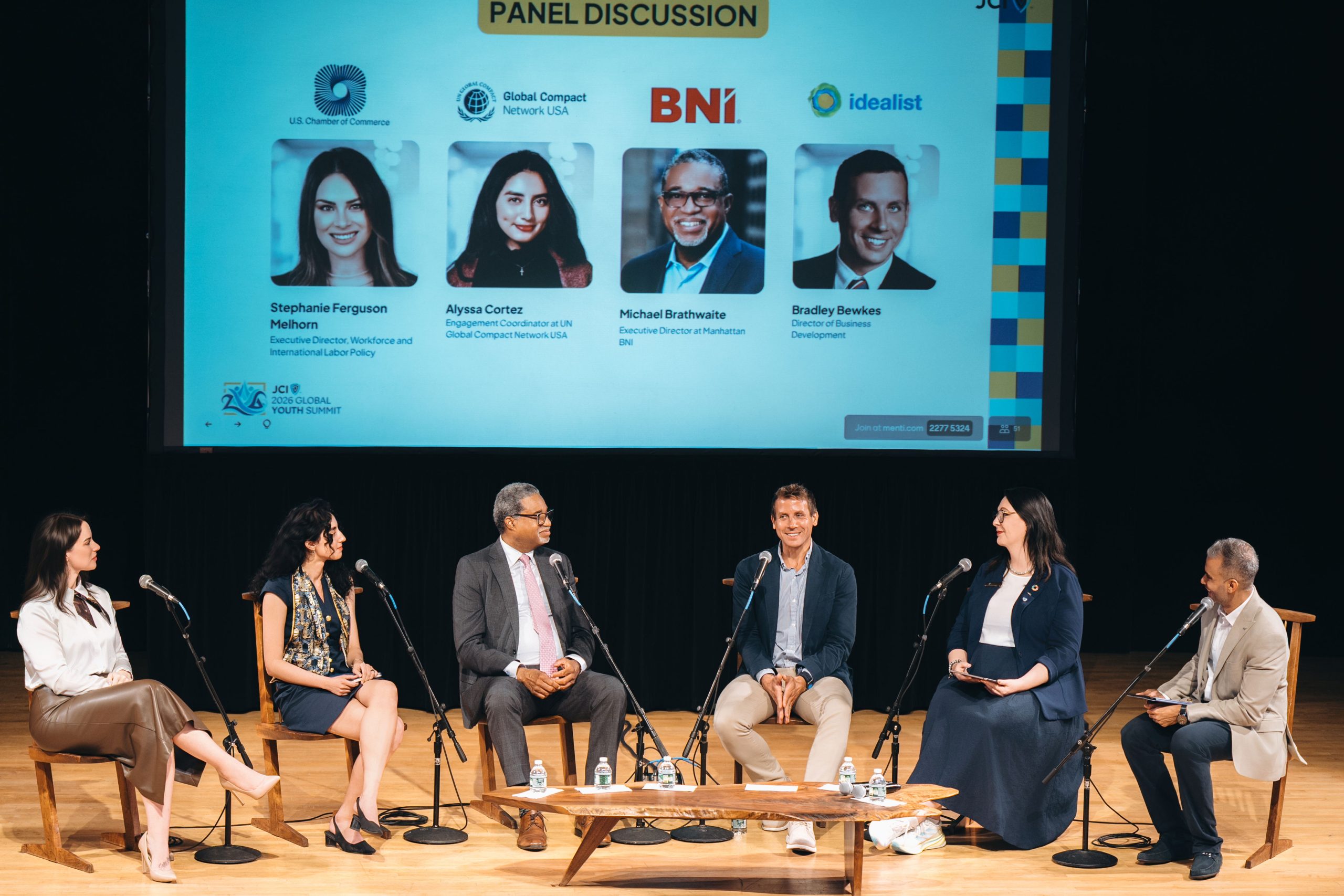
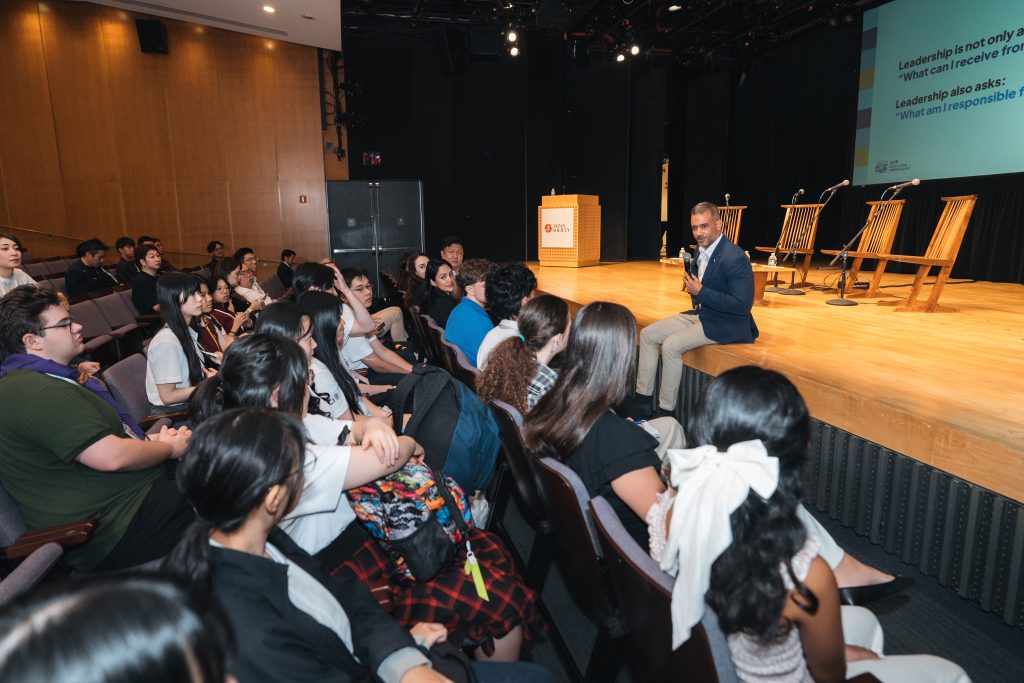
The Summit opened at Japan Society with keynotes and the first educational Model UN sessions. In the Youth Leadership Lab, participants examined how youth leadership drives economic empowerment and decent work, grounded in the UN Youth 2030 Strategy and shaped by voices from the International Chamber of Commerce, the UN Global Compact, and Idealist.
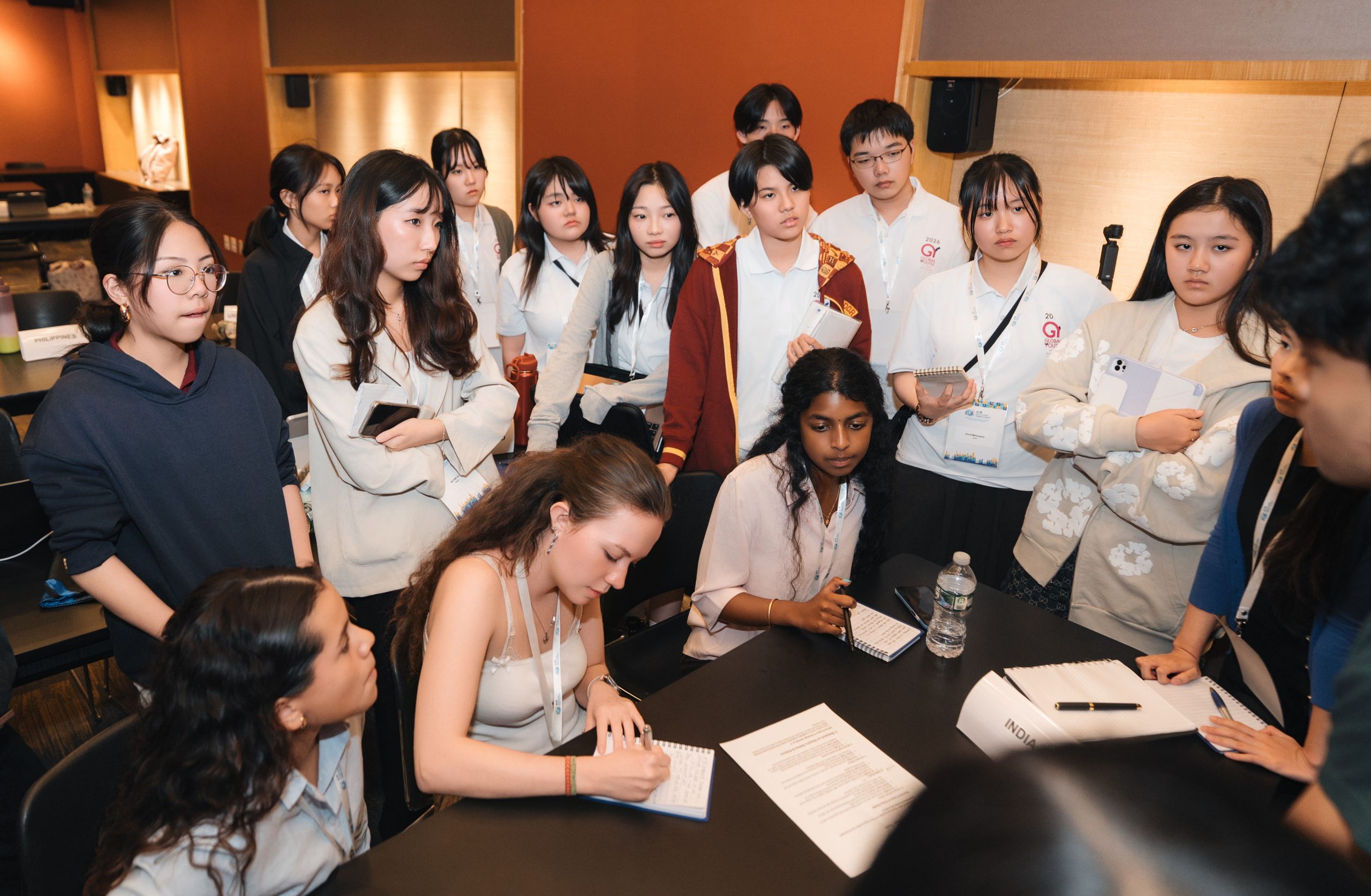
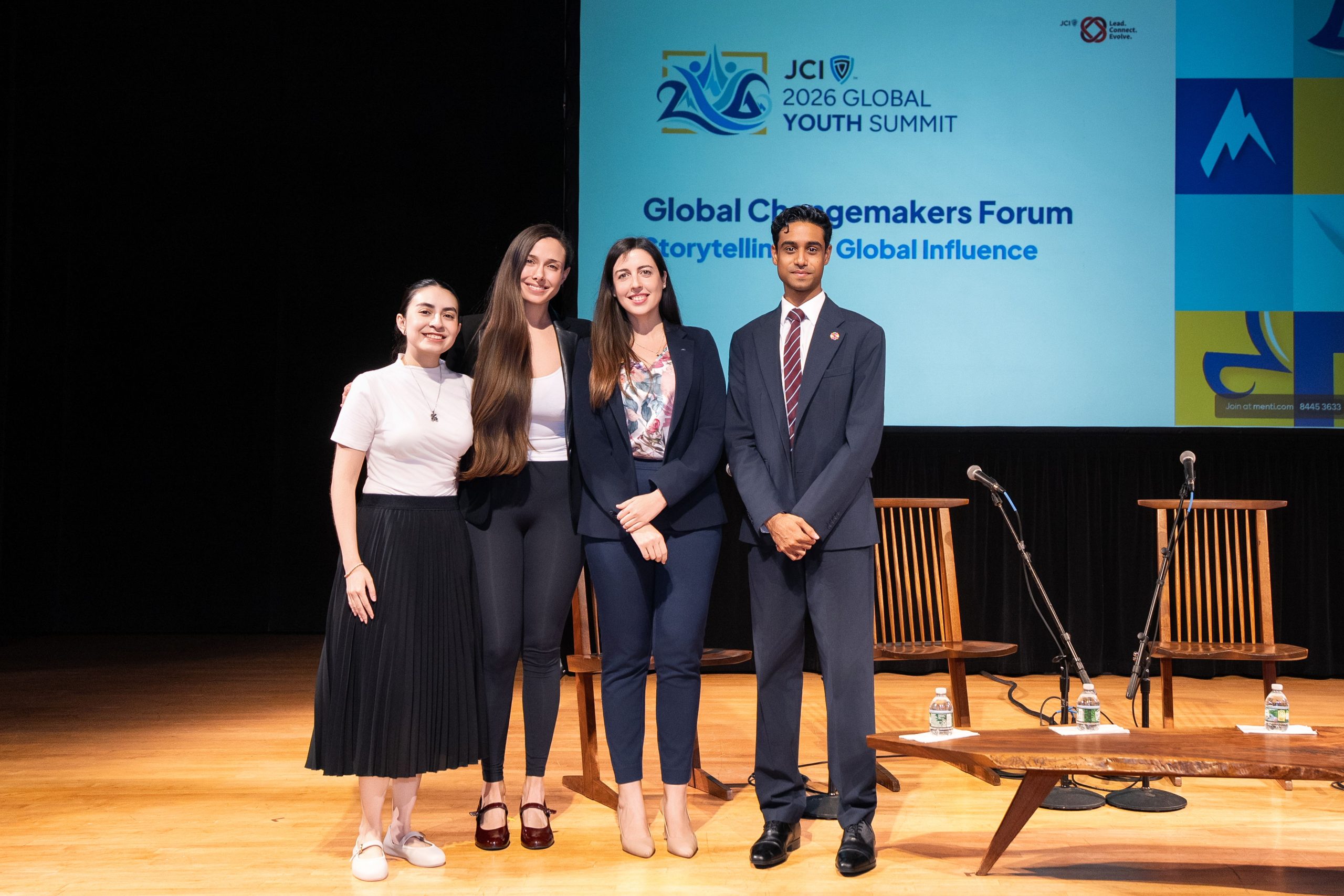
The afternoon turned to communication. In the Global Changemakers Forum: Storytelling for Global Influence, delegates learned to use storytelling as a tool for advocacy and leadership, guided by facilitators from AIESEC, the UN Foundation, and the Sustainable Development Solutions Network. By the close of day one, delegates had researched their positions, formed their committees, and begun the harder work of negotiation.
Day 2: Designing Solutions for a Shared Future
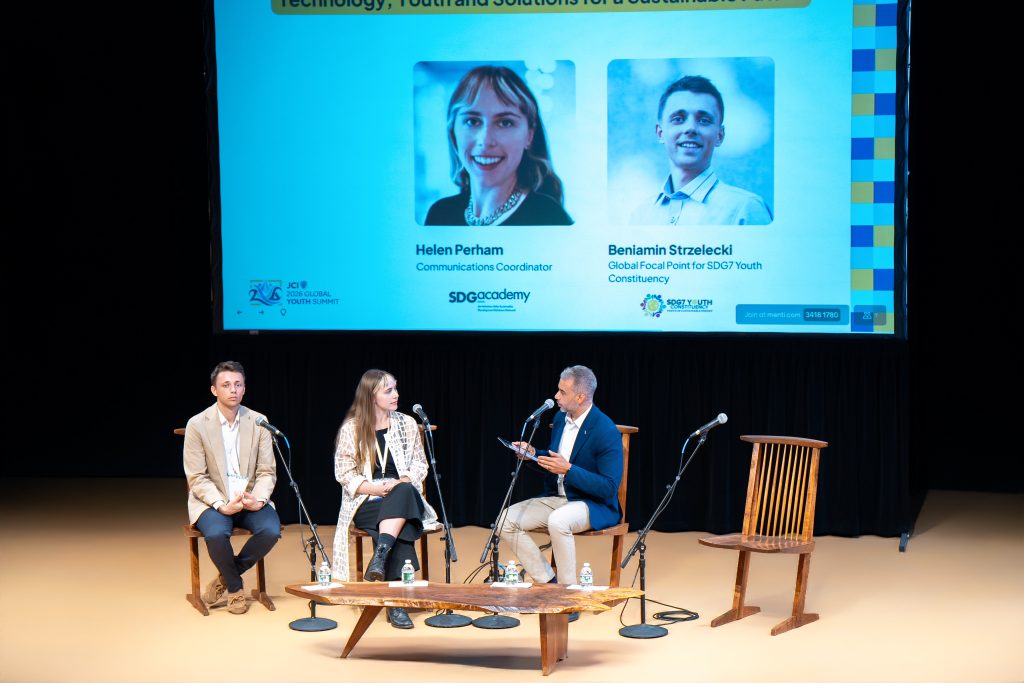
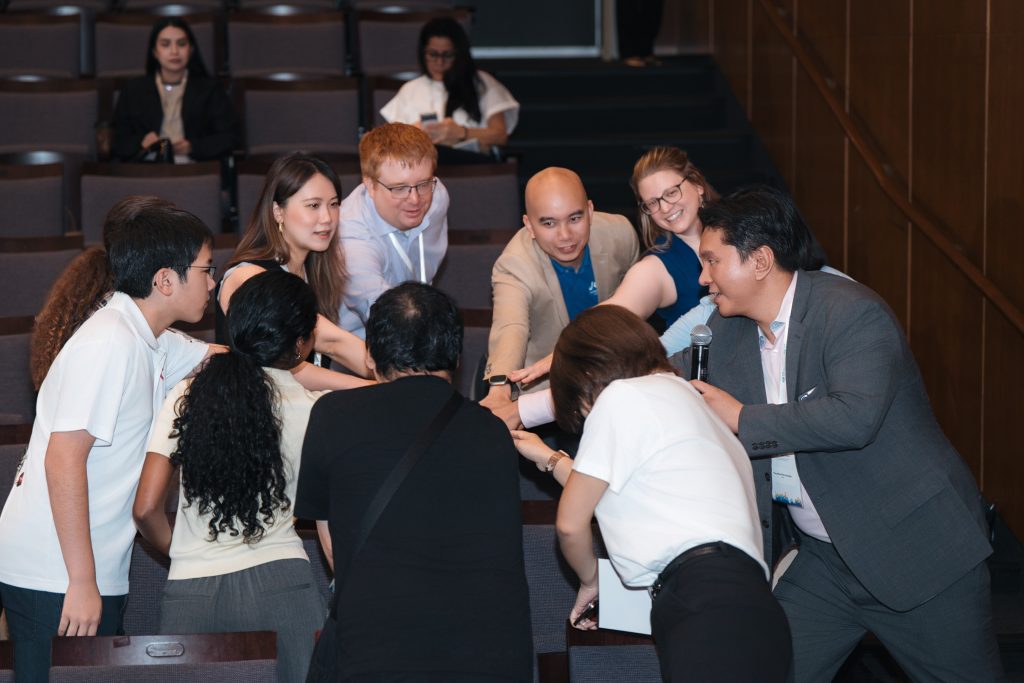
Day two moved from foundations to action, with a focus on the technologies reshaping the world. In AI, Innovation & Youth Leadership, participants explored how young people can responsibly harness artificial intelligence for positive impact, in conversation with the UN Foundation. The Digital Future Lab that followed was hands-on, challenging delegates to co-create digital solutions to real community problems.
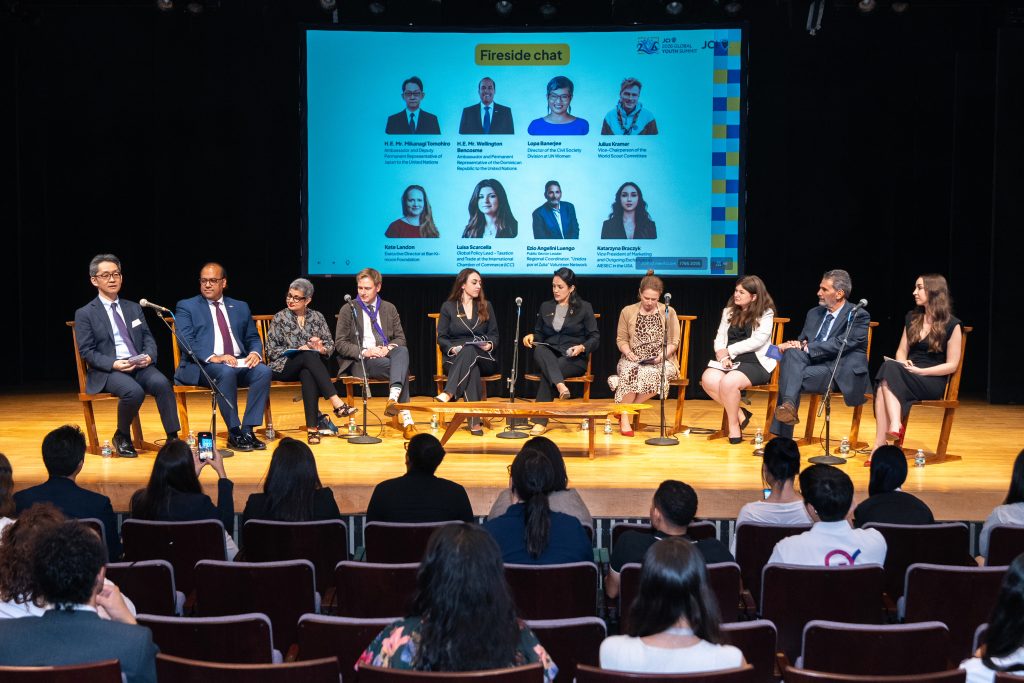
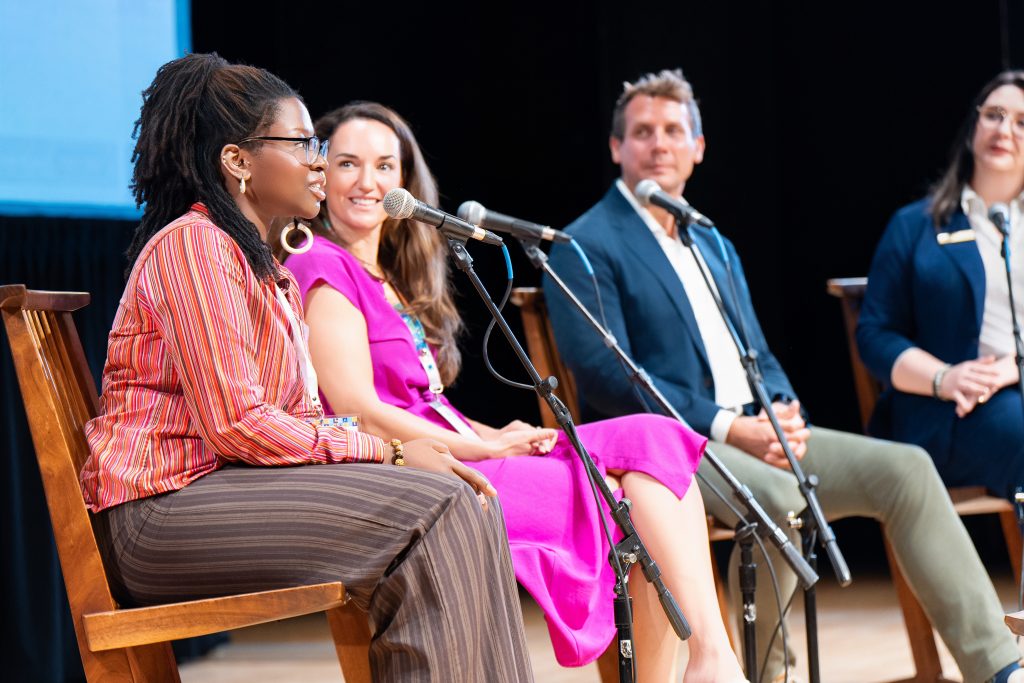
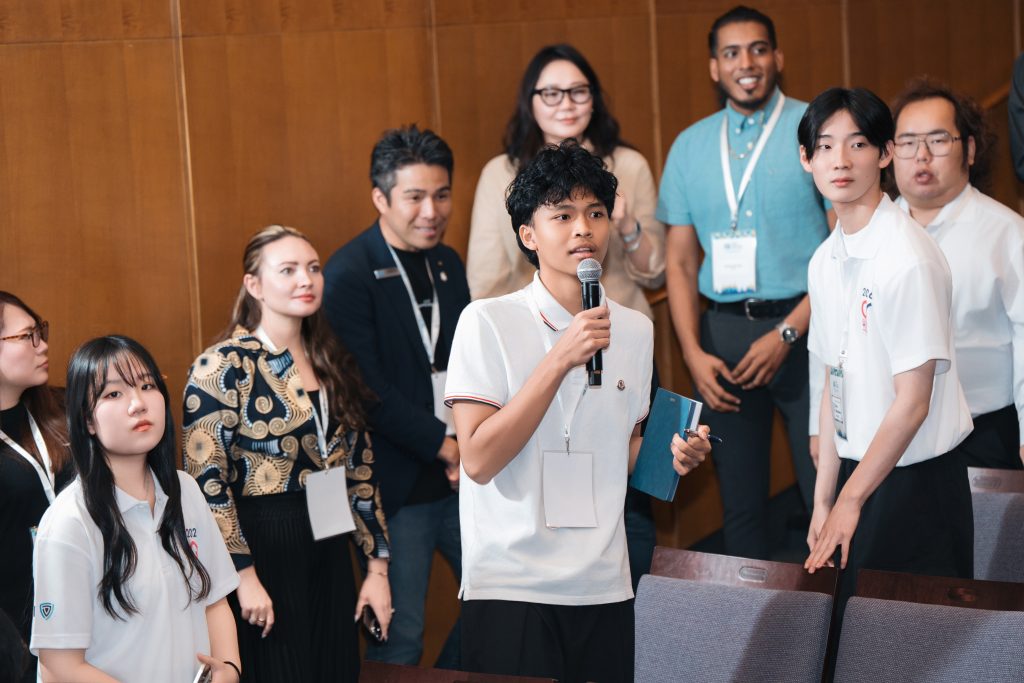
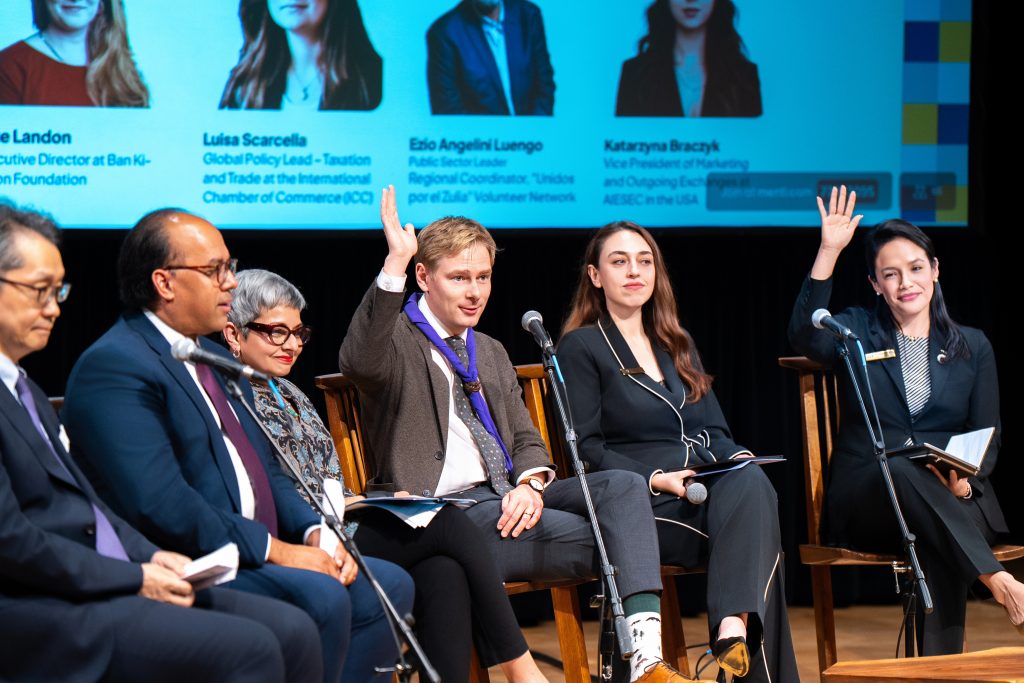
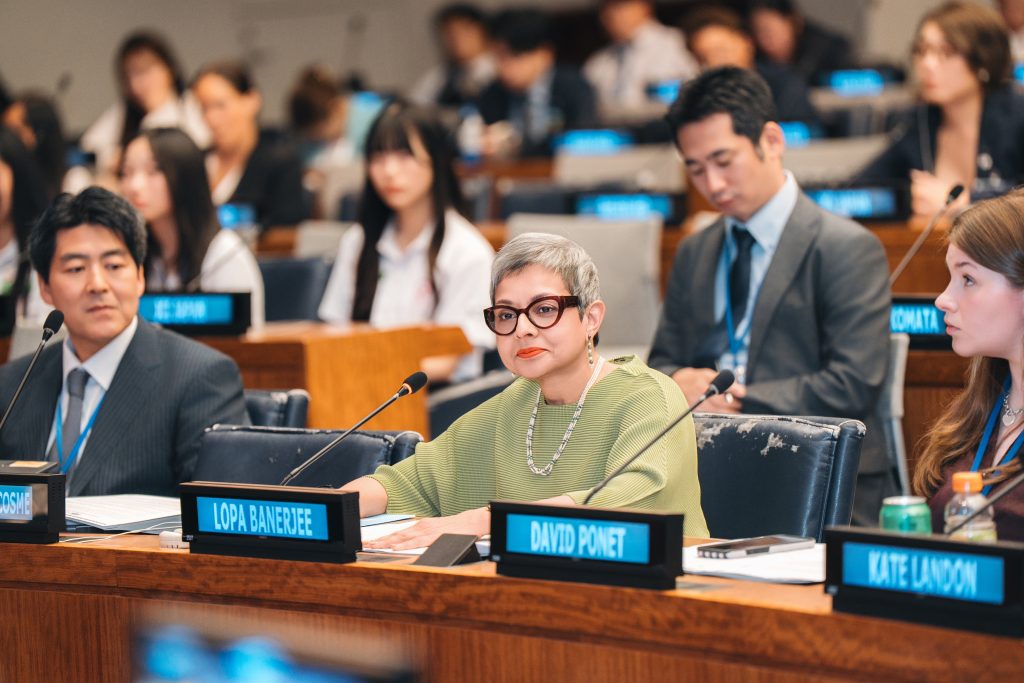
The day’s dialogues brought the delegates face to face with global decision-makers. In the Youth 2030 Dialogue, participants heard directly from senior United Nations leadership on how young people can shape multilateral negotiation. The Global Leadership Fireside Chat gathered diplomats and youth representatives from UN Women, UNICEF, the Ban Ki-moon Foundation, and the International Chamber of Commerce for an honest exchange on leadership, equity, and the road ahead.
Day 3: Youth Voices on the Global Stage
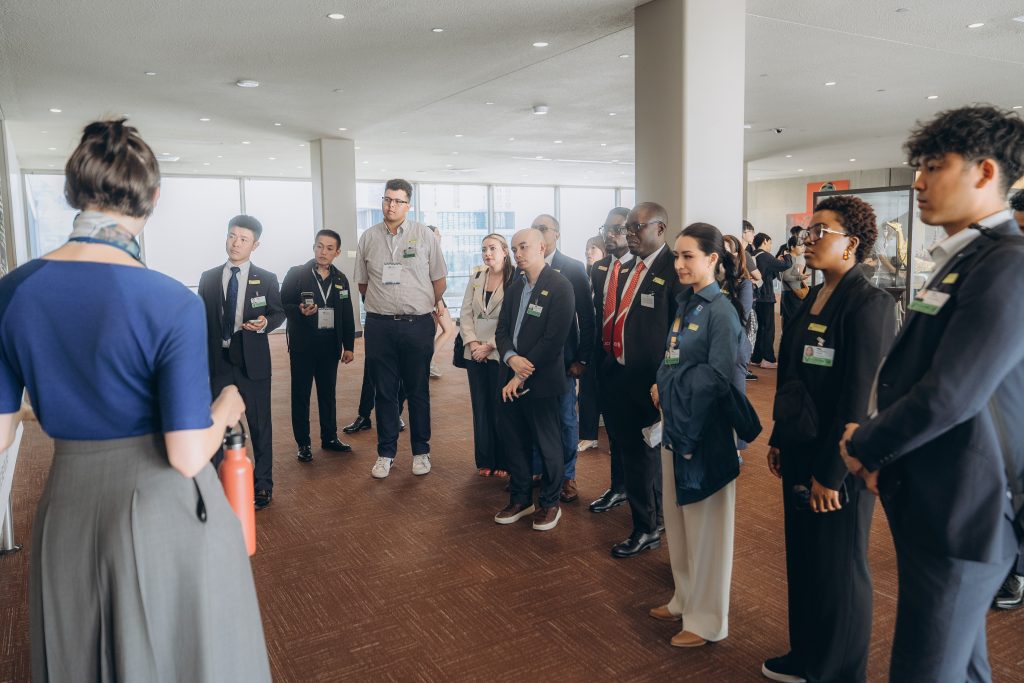
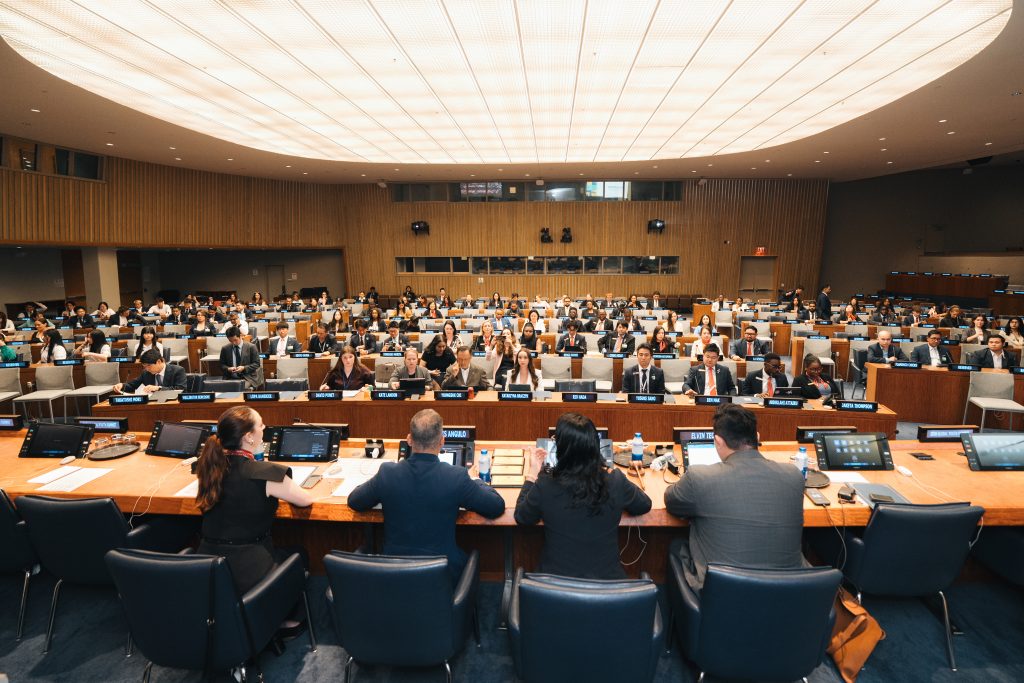
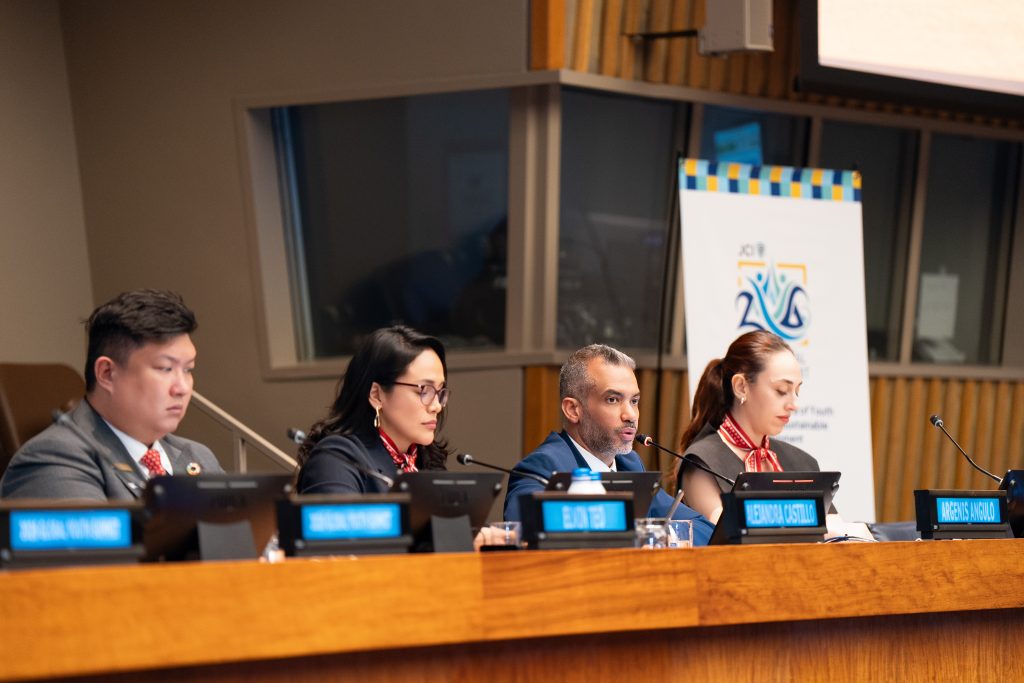
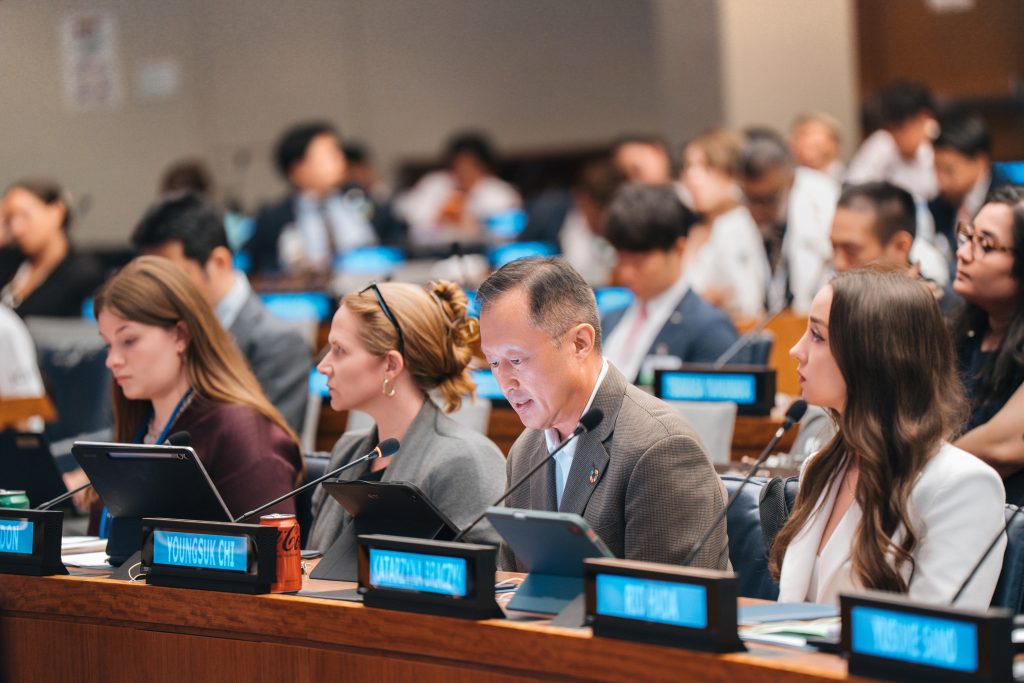
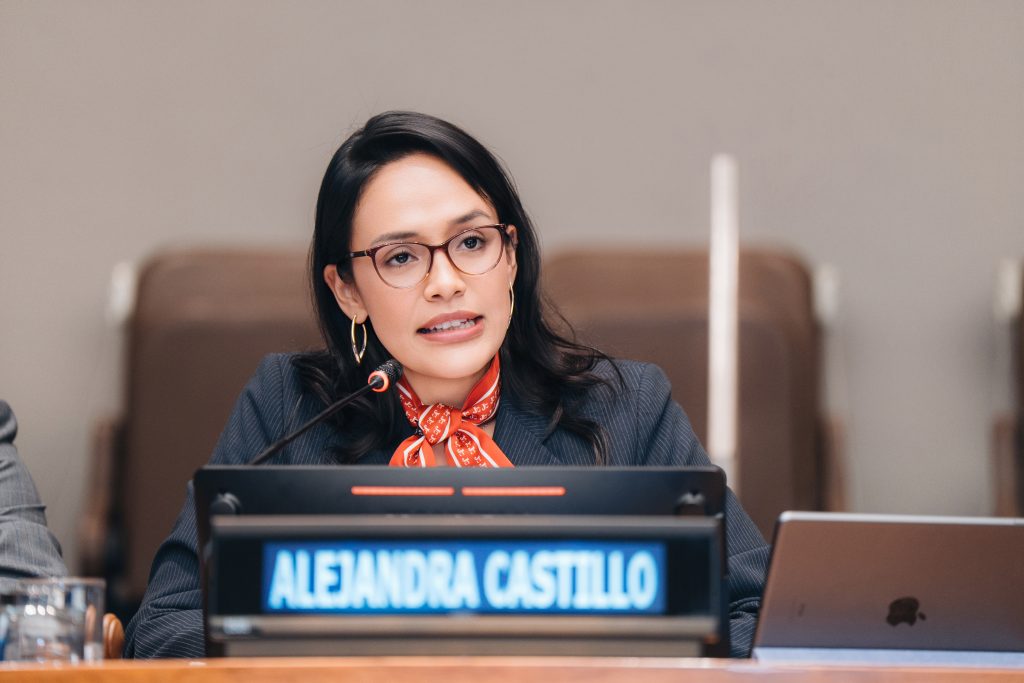
The final day carried the delegates’ work to the highest level. After a guided experience of the United Nations and a session refining their presentations, the delegates gathered for the Global Youth Summit Plenary Session. There, in a setting reserved for the world’s diplomats, young leaders presented their pitches and delivered the outcome of three days of collaboration.
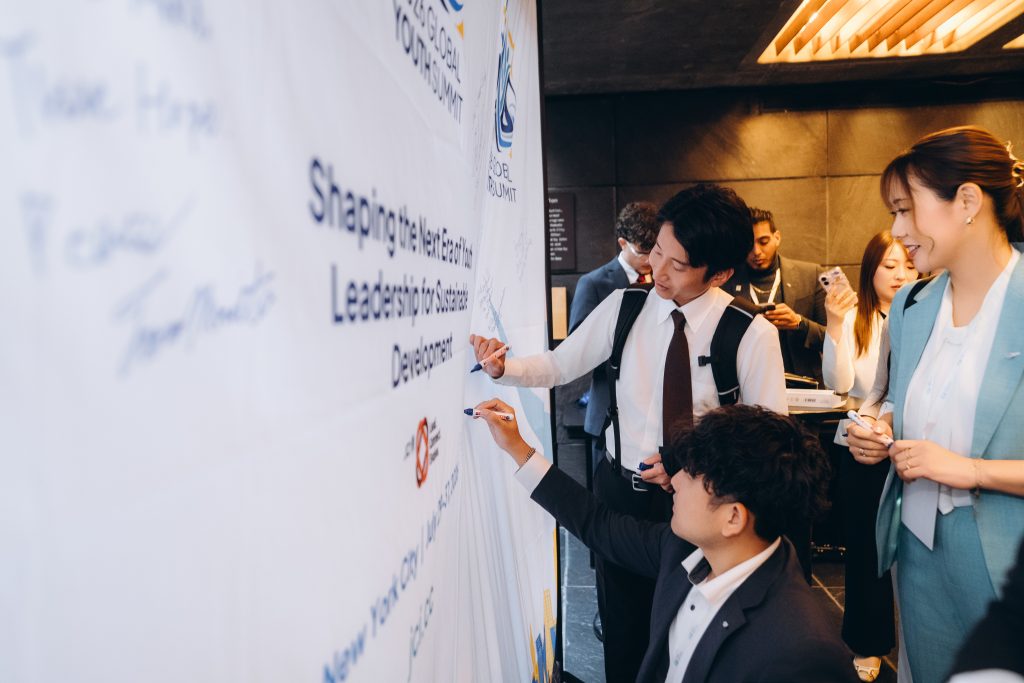
That outcome was the Youth Action Resolution 2026 to 2030, a set of commitments on equitable access to opportunity for the next generation. It was not written for young people. It was written by them, grounded in intergenerational equity and the Universal Declaration of Human Duties for Leaders. The Plenary closed with keynote statements, a signing ceremony, and recognition of the delegates who had shaped it.
A Resolution That Travels
The Summit did not end in the room. The Youth Action Resolution now moves to JCI National Organizations in more than 100 countries, where it becomes local action across communities worldwide. That is the design of the JCI Global Youth Summit: learning becomes practice, and practice becomes lasting impact.
Over three days in New York, young leaders proved a simple idea. Young people are not only the leaders of tomorrow. They are the leaders of today.